|
Dear CalMatters reader,
We’re busy working on three new stories for the License to Kill investigative series.
Those will take a little while to complete as we continue to try to understand how California allows deadly drivers to stay on the roads.
In the meantime, some of you had the same question we did:
What do the state’s leaders have to say about the Department of Motor Vehicles’ practice of issuing licenses to so many dangerous drivers?
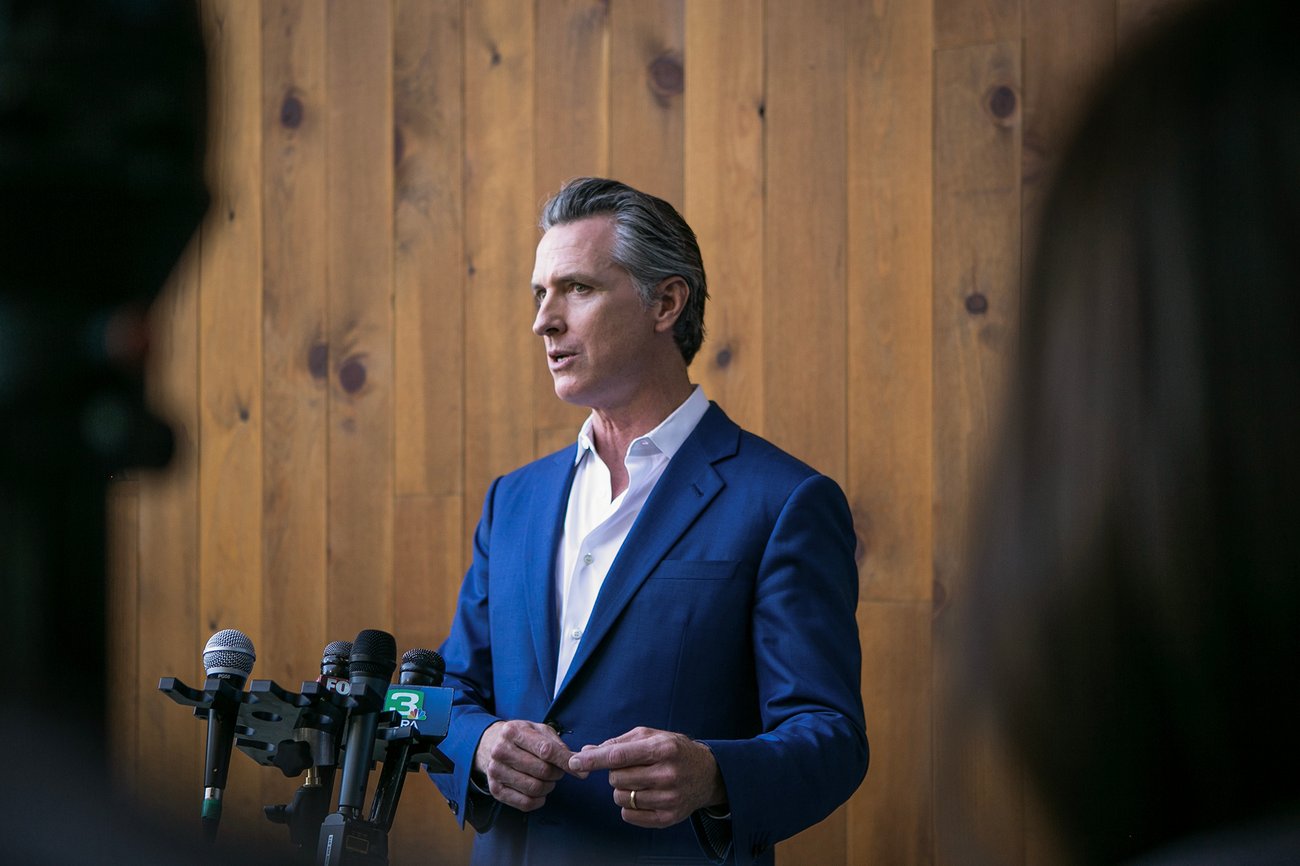
Gov. Gavin Newsom’s office
Here’s what Newsom spokesman Daniel Villaseñor told reporter Robert Lewis in an email:
This reporting raises important concerns. The Governor is committed to keeping California’s roads safe. The DMV is working diligently to review licensing processes and coordination with the courts to keep dangerous drivers off the roads.
That sounded promising. But Lewis wanted to know more about what specifically they’d be reviewing, and when that review might be finished. He asked for more details.
Five days later, DMV spokesperson Eva Spiegel’s response made the governor's statement seem hollow. She only talked about things the DMV had done in the past:
The DMV’s transformation began in July 2019 when the Governor appointed Steve Gordon as Director to “fix” the DMV. The department deployed, and continues to deploy, many strategies to modernize services aligned with resources. The department does this by reviewing operations on a regular basis, analyzing data and deploying industry best practices. We are constantly reviewing our processes to look for efficiencies and improvements.
We have tried to interview Gordon, but the DMV hasn’t made him available. We’ll keep at it.
The Legislature
We then turned to the Legislature to talk to the lawmakers in charge of DMV oversight in the Senate and Assembly.
Dave Cortese, a Democrat from San Jose, is chair of the Senate Transportation Committee. He told Lewis that the DMV’s system for getting dangerous drivers off the road is “obviously out of kilter.”
I don't think it's a stretch to say people are dying as a result of it.
The agency’s lack of action, disparities in punishment and missing records all suggest lawmakers will need to do something, he said.
I have a general lack of confidence in the DMV to take this on on their own. I think they'll need to be directed by the Legislature and the governor.
Lori Wilson is chair of the state Assembly Transportation Committee. The Democrat from Suisun City said lawmakers will need to act.
She said she was shocked by the findings.
Not only were people not held accountable … they were given the license to do it again, both physically and metaphorically, right? And so that was really sad to me.
Wilson said she wants to look into possible fixes and will use “the weight of the chair to make sure that it's prioritized within our body.”
Both Legislative leaders said the deadline has passed to introduce new bills this year but that they’d have to think creatively about how to best address some of the issues. They could use the so-called “gut and amend” process to introduce something in the next several months, tucking it into an existing bill. Or they could take time to craft a more systemic reform for next year.
As we continue to investigate new stories, we’ll also keep asking the state’s leaders what, if anything, they plan to do about California’s deadly drivers.
How to get in touch with them yourselves
Many of you asked how you can reach these leaders.
You can find your legislators on CalMatters’ Digital Democracy tool and how to contact them. You can contact the governor here.
A couple of things you can do:
-
Reply to this email with any specific questions you might have. If we get enough, we’ll do a Q&A.
-
Please forward this email to anyone you think should be signed up for the newsletter.
Talk to you soon, |