 |
|
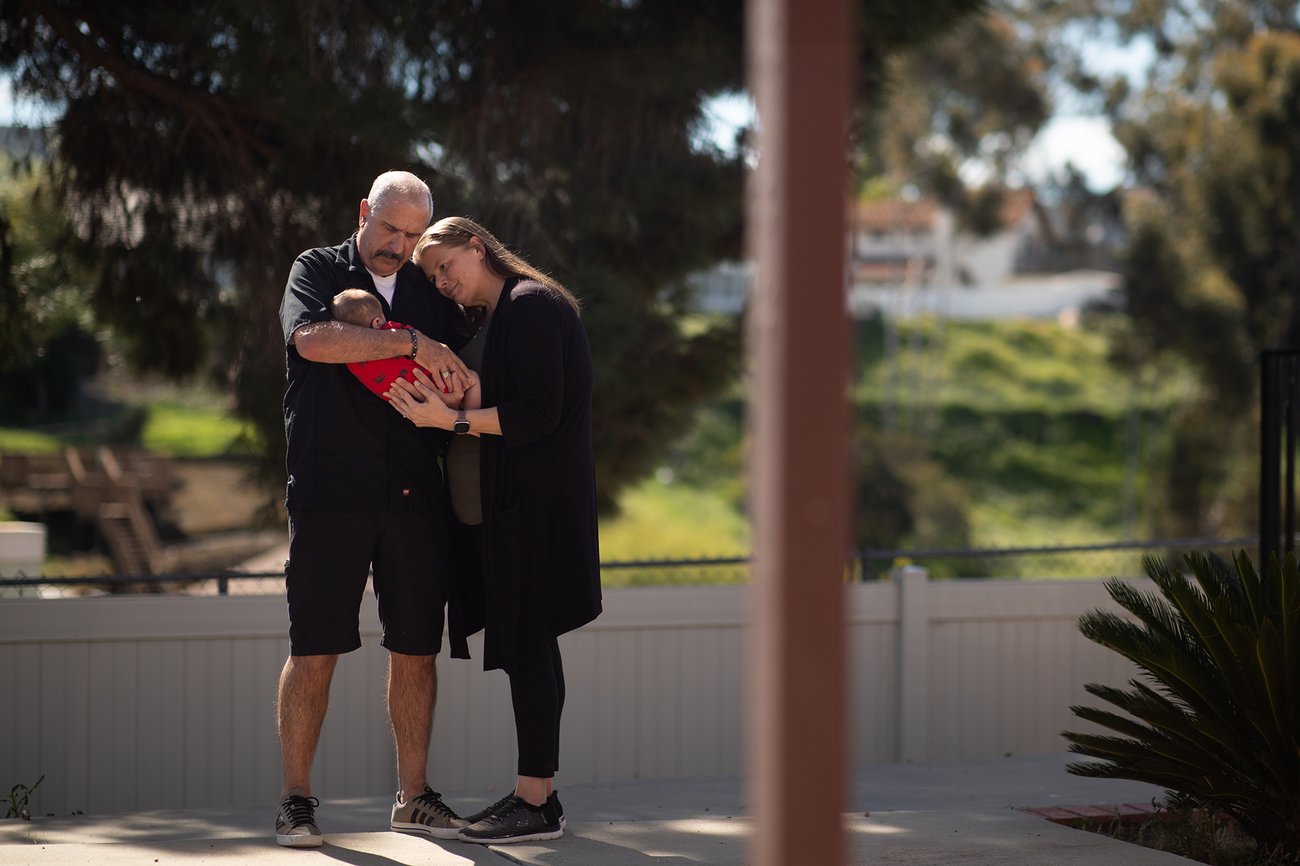
Tony and Sara Iagmin hold a three-month-old baby they are fostering at their home in San Diego’s Lakeside neighborhood on Feb. 23, 2026. Photo by Adriana Heldiz for CalMatters |
|
|
|
Good morning, CalMatters reader.
A quiet crisis is unfolding inside California’s foster care system and it could leave some of the state’s most vulnerable children with few safe places to go, reports CalMatters’ Cayla Mihalovich.
Since 2024, more than two dozen nonprofits that recruit, train and support foster parents have shuttered across 13 counties, according to the California Department of Social Services, Mihalovich reported.
Those nonprofits, known as foster family agencies, serve about 20% of children in California’s foster care system — especially those in need of intensive support. When kids are removed from their homes because of abuse or neglect, these nonprofits help find foster families willing to take them in, often on very short notice. They train parents, provide case managers who check-in regularly and offer support when families face the emotional and logistical challenges of caring for children who are experiencing trauma.
That support network is under strain after a major insurance provider stopped covering foster family agencies in 2023, citing rising legal costs tied to lawsuits from survivors of childhood abuse. A 2019 California law lifted the statute of limitations for victims of childhood sexual abuse to seek justice years later. With fewer insurers willing to step up, agencies have been forced into a volatile insurance market where premiums have surged 200 to 400%. Some nonprofits say they’re now facing hikes in their annual insurance bills that top $350,000.
|
|
|
|
|
Our nonprofit, nonpartisan newsroom depends on support from people like you. |
|
|
|
|
For foster parents like Tony and Sara Iagmin, the impact has been losing the support system they relied on while caring for dozens of foster children. “We knew who to turn to and how to get support for everything that came up,” Sara Iagmin said.
Advocates say the ripple effects have been profound. Fewer families may be willing to take in children, particularly those with complex medical or behavioral needs. California state lawmakers last year approved emergency funding to help the foster family agencies cope with rising insurance costs but those funds have already run out. Read more from Mihalovich about how the safety net for foster children could continue to unravel.
|
|
|
|
|
|
-
‘Dignity in the fields.’ A new report is out from scholars at UC Santa Cruz and the Centro Binacional para el Desarrollo Indígena Oaxaqueño. It documents the legal, economic, and housing challenges facing farmworkers and their families in the Salinas Valley.
-
Young workers. Young Californians are experiencing a rise in unemployment, reports the Public Policy Institute of California. Nearly half a million Californians aged 16 to 24 were out of work and school in 2025.
-
Pollution plan. The Tijuana River in San Diego has sickened surfers, swimmers and Navy SEALS for decades. A new report explores ways to clean it up, CalMatters Deborah Brennan writes.
-
Immigrant health. A Democratic lawmaker wants California to restore Medi-Cal eligibility for undocumented adults after last year’s budget cuts scaled back the state’s landmark expansion of immigrant health coverage, CalMatters Kristen Hwang reports.
|
|
|
|
|
Advertisement |
 |
|
|
|
-
Housing costs. Factory-built housing could bring down construction and housing costs in California, which has the highest cost of living in the country, CalMatters Dan Walters writes.
-
Reparations work. Efforts to right historical wrongs are moving slowly in Alameda County and elsewhere, reports The Mercury News. Nationally, only a few hundred reparations programs have started, and of those, only a handful have issued payments or returned land.
-
Deep fakes. A BART police officer made a racist AI deepfake about a Sikh colleague. The video has prompted an internal investigation, along with orders from the chief that officers at the agency refrain from harassing colleagues, The San Francisco Chronicle reports.
Thanks for following our work on justice issues, inequality and immigration. While you’re here, please tell us what kinds of stories you’d love to read. Email us at inequalityinsights@calmatters.org. |
|
|
|
|
|
|
Wendy Fry
California Divide Reporter |
|
|
|
|
|