|
Democrats are searching for a hero to save them in the California governor’s race.
So far, no one in party leadership has come to the rescue.
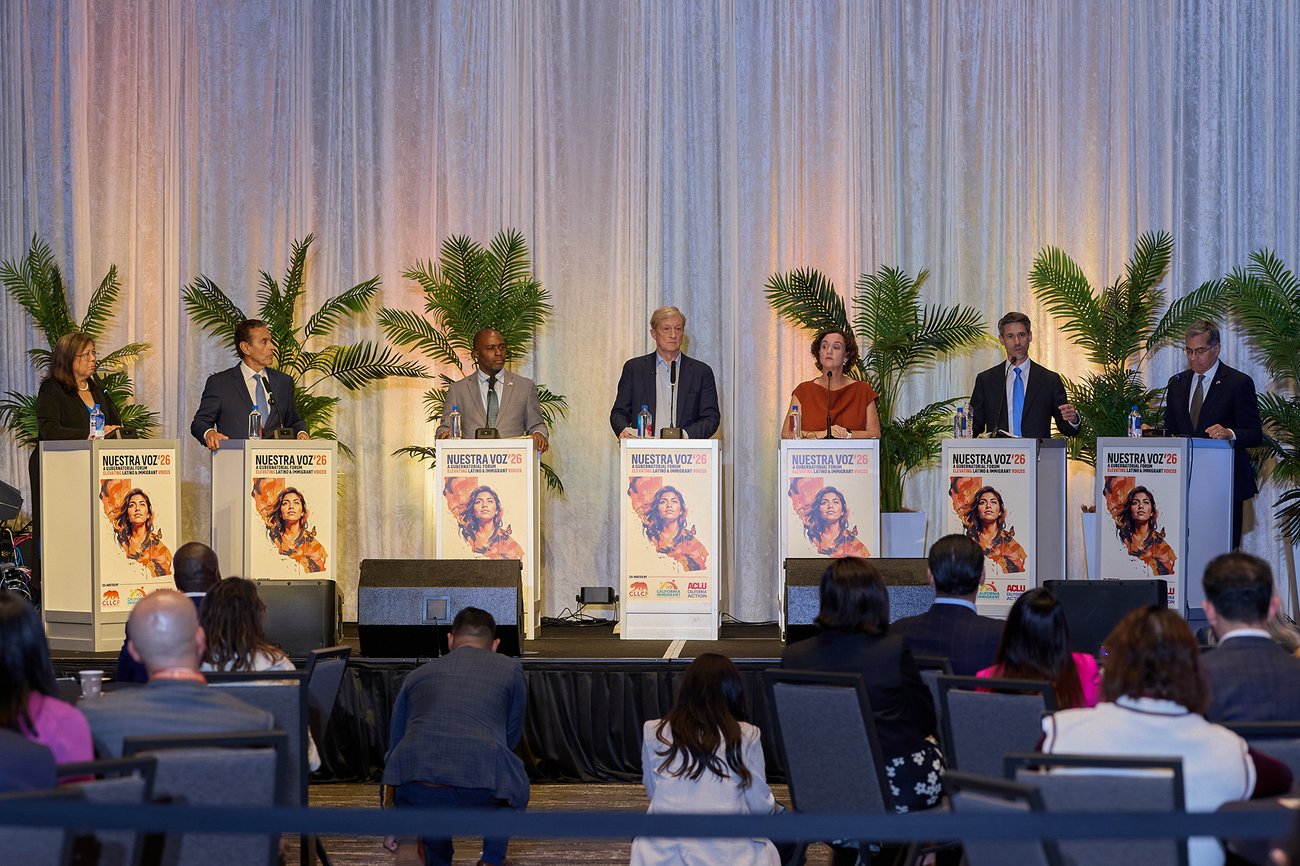
Despite Rep. Eric Swalwell’s exit from the race this week, the Democratic field remains unwieldy, with seven major candidates still splitting the field less than three weeks before ballots are sent. Each of them refuses to bow out, regardless of their polling numbers, in the hope they can capture some of the voter attention that Swalwell’s demise drew to the race.
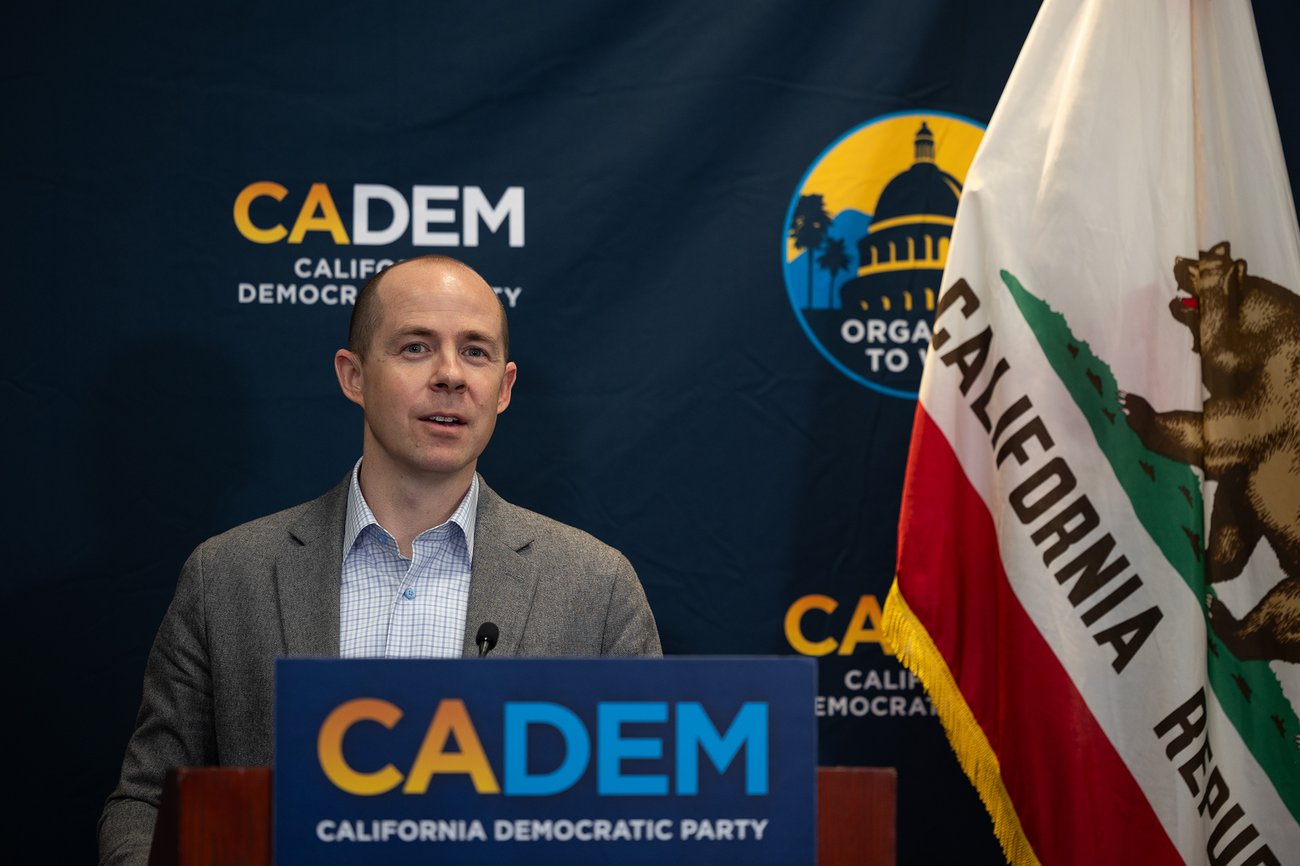
Democratic Gov. Gavin Newsom, the face of the party in California, is not interested in elevating a successor. Democratic Party Chair Rusty Hicks, who faces criticism for not using his position to cull the field, has relied on party-commissioned polls and vague pleas for candidates to “honestly assess” their campaign’s viability, refusing to openly pressure anyone to drop out.
Even former House Speaker Nancy Pelosi — known for urging then-Rep. Adam Schiff to run for Senate and former President Joe Biden to drop his reelection bid — won’t intervene.
“People have reached out to me saying, ‘Your mom has to do something!’” said Christine Pelosi, daughter of the San Francisco congresswoman and herself a candidate for state Senate.
“I said, ‘You know what? She doesn’t, though,’” the younger Pelosi said. “She already did that with Biden and Harris. She’s not going to — don’t look to her to do that again.”
Gone is the heyday of the San Francisco-based political machine, a network of political talent that dominated state politics for decades and produced titans such as Pelosi and Newsom, both of whom are moving on from California politics.
Now that pipeline has run dry, and this year there is no obvious heir to Newsom for the party to coalesce behind. No current statewide officeholder joined the fray, and both presumptive favorites — former Vice President Kamala Harris and U.S. Sen. Alex Padilla — opted not to run.
That has made top Democrats loath to weigh in on the state’s first truly open Democratic primary in 16 years. In 2018, Newsom, then the lieutenant governor, was widely viewed as the most likely successor to former Gov. Jerry Brown, another product of the San Francisco political machine.
The 2026 race is also only the second time an open field has competed under the top-two primary system, adopted 16 years ago to the chagrin of both parties. That means two Democrats or two Republicans could advance to the general election and lock the other party out.
Newsom reiterated his lack of interest this week when he issued a statement that said in part, “I have full confidence that voters will choose a candidate who reflects the values and direction Californians believe in.”
Too much democracy for Democrats?
While grassroots activists have for decades decried the king-making of insider machine politics, the alternative — an abundance of candidates with no clear frontrunner — has proved unappealing too.
The resulting decision paralysis has resurrected calls for a strong leader to step in.
“This has been incredibly frustrating, not to mention scary, with the idea that we could end up with two Republicans,” said RL Miller, a longtime delegate and chair of the party’s environmental caucus. “I really do believe that there has been a failure of leadership at the top.”
Miller theorized that party leaders were overcorrecting after years of backlash following the 2016 presidential election, in which establishment Democrats disregarded the grassroots support for Sen. Bernie Sanders and instead anointed Hillary Clinton.
As more Democratic gubernatorial candidates entered the fray in the last year, Miller said she thought leadership had the “admirable intent” of letting delegates winnow the field themselves.
But anxieties were already spiking before the Democrats’ endorsing convention in February, where none of the nine candidates vying for the gubernatorial nod amassed more than 25% — far short of the 60% needed. Hicks faced repeated questions then about whether he would step in, but insisted it wasn’t his role.
“By the party convention, the alarm bells had been ringing for months,” said Miller, who has consistently voted against Hicks in internal party elections.
|