 |
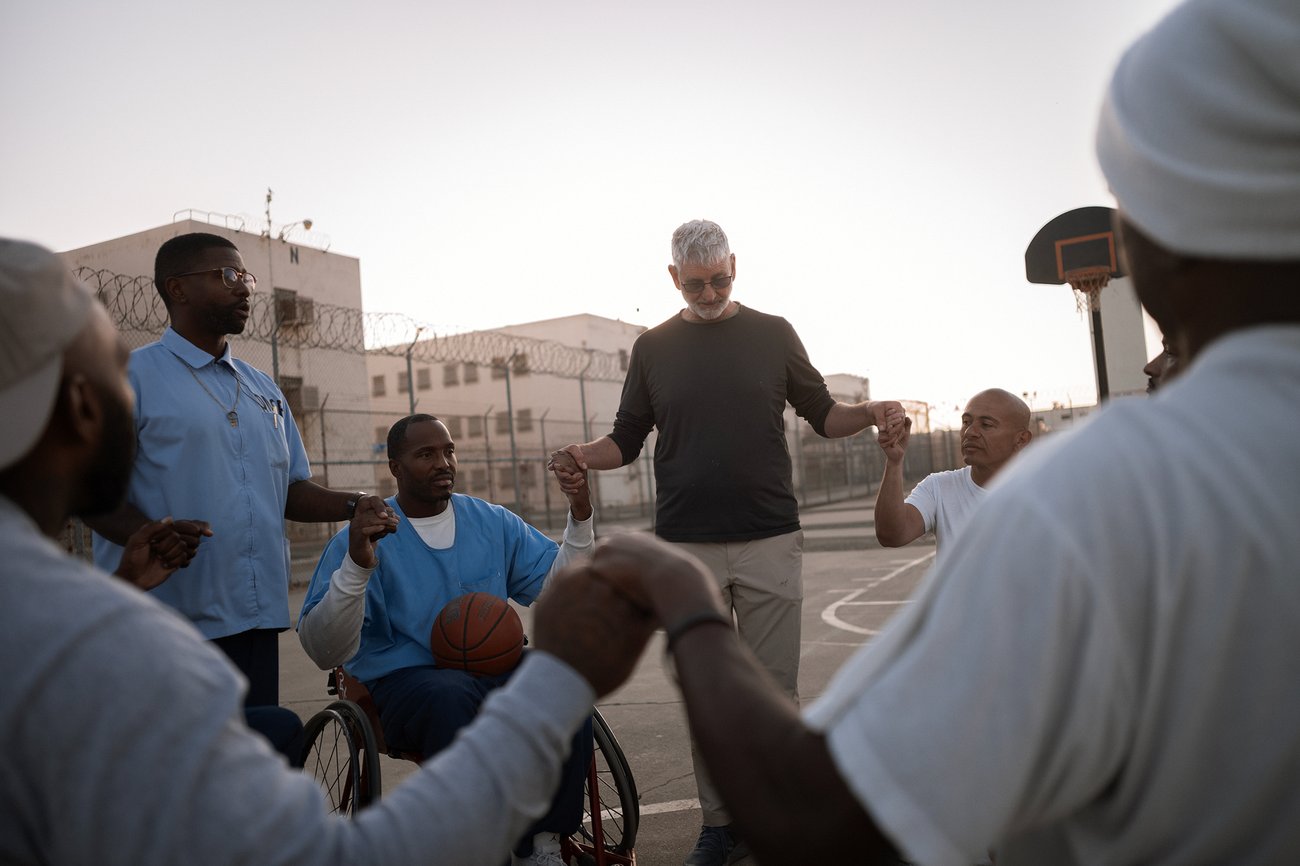
Coach Holland and the players gather in a circle before and after every game to support each other and talk about challenges they are facing. Photograph by Brian L. Frank for CatchLight/The Marshall Project |
|
Dear CalMatters reader,
For men in wheelchairs at California Medical Facility, a prison in Vacaville, California, recreational options were limited to bingo, shuffleboard, resistance bands and chair yoga. But a new wheelchair basketball program, the only one of its kind in the U.S. prison system, offered participants – both able bodied and disabled men – a way to stay active while giving them a renewed sense of purpose.
California Gov. Gavin Newsom recently signed the Second Chance Sports Act, requiring the state prison system to expand organized sports, authorize partnerships with colleges and professional teams, and establish a fund to support them.
This collection of photographs by Brian L. Frank reflects how, for the men at California Medical Facility, the program is about personal growth and the chance to become better versions of themselves.
Sincerely,
|
|
|
|
Jenny Stratton
Executive Editor, CatchLight |
|
|
|
|
|
Jenny Stratton
Executive Editor, Catchlight |
|
|
|
|
|
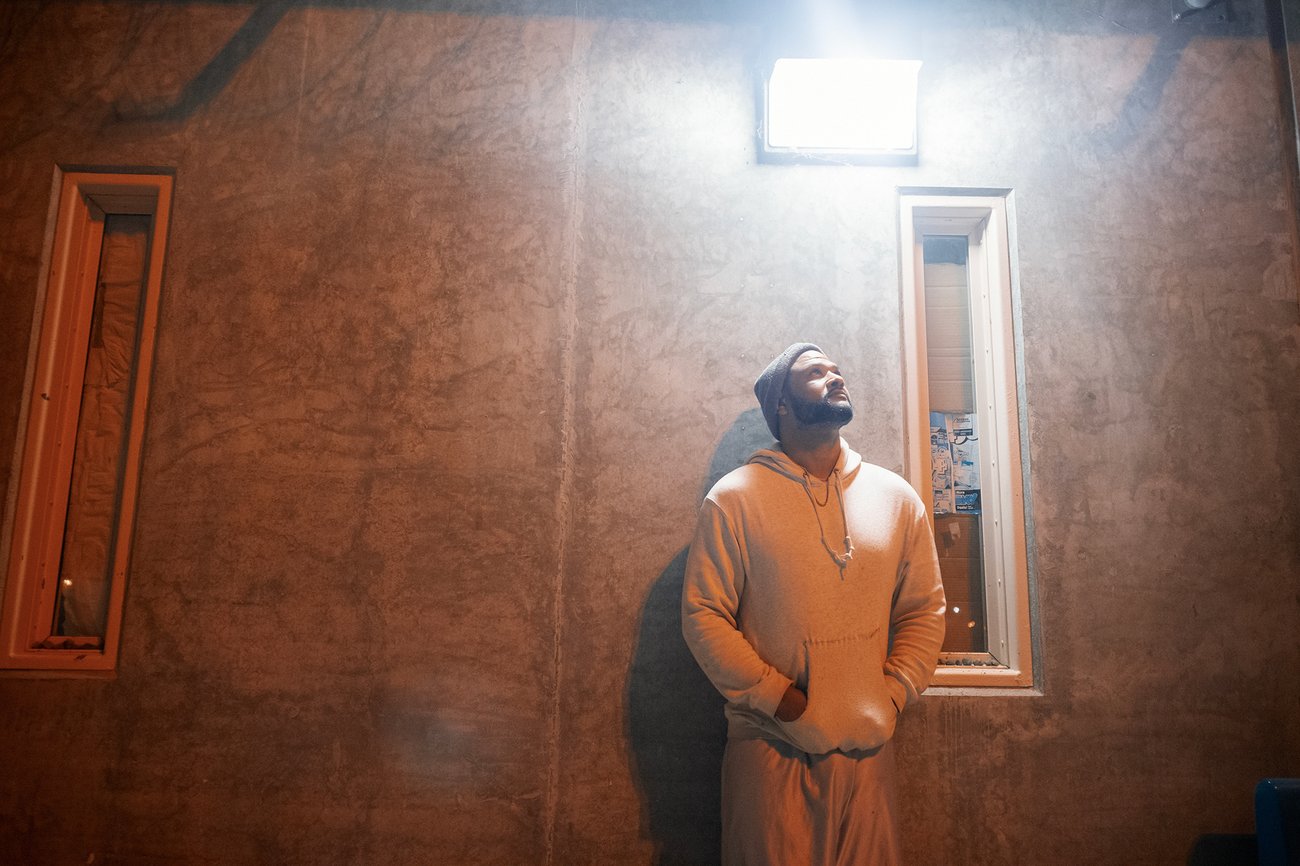 |
Photograph by Brian L. Frank for CatchLight/The Marshall Project |
|
Steven “Scooby Doo” Davis is the co-captain of the character-first rehabilitative sports team, alongside Quentin Murphy. Struggling off and on with the prison environment, Scooby credits the team and support of its coach, Jeremiah Holland, with helping him stay positive. |
|
|
|
|
📷 We want to see your best California photos.
Are you a photojournalist or photo-enthusiast? Submit your work to California in Pictures! Selected submissions for inclusion in the newsletter will be paid a licensing fee from CatchLight. |
| Submit your photos |
|
|
|
|
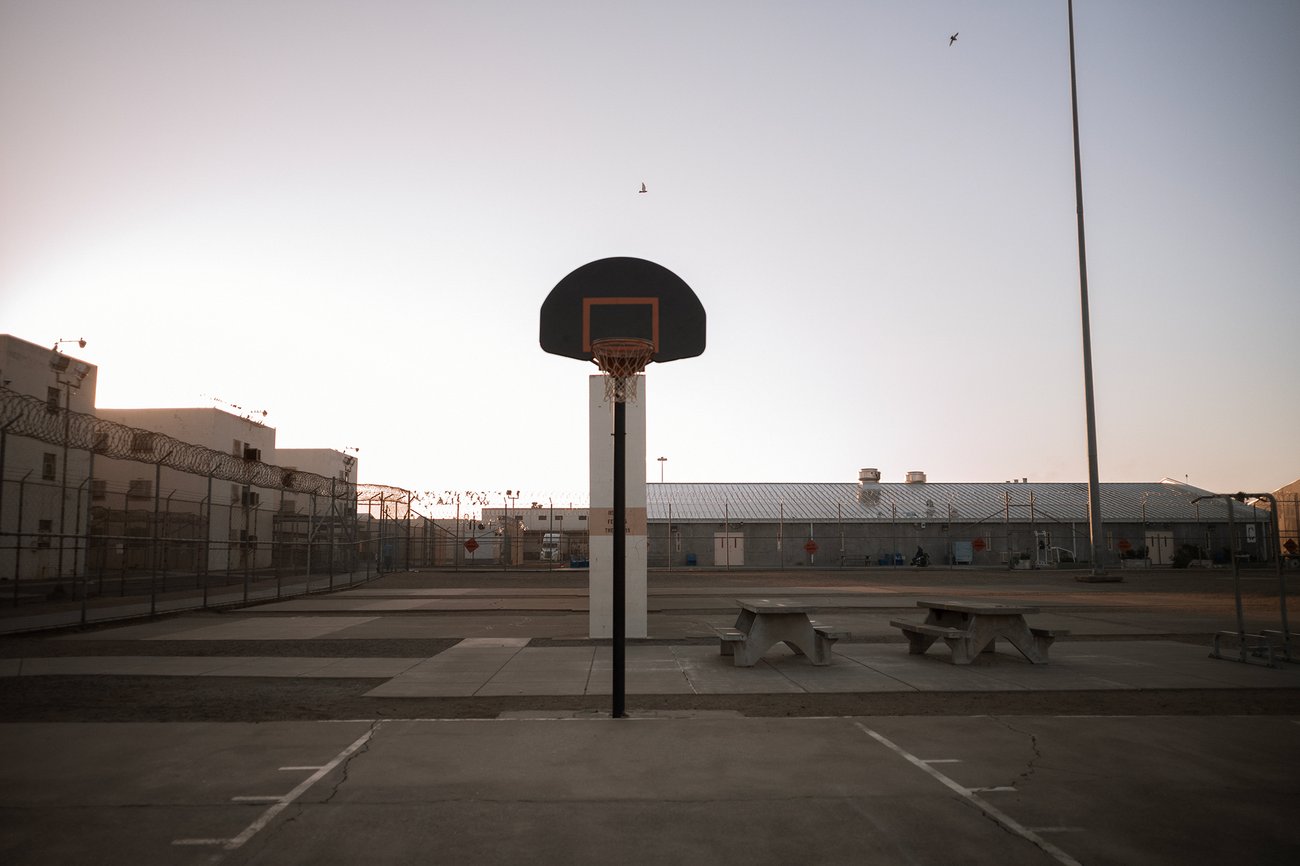 |
Photograph by Brian L. Frank for CatchLight/The Marshall Project |
|
Early morning on the court. The team aims to improve the mental health of incarcerated people by providing a place to exercise, see other people, set goals and work together. |
|
|
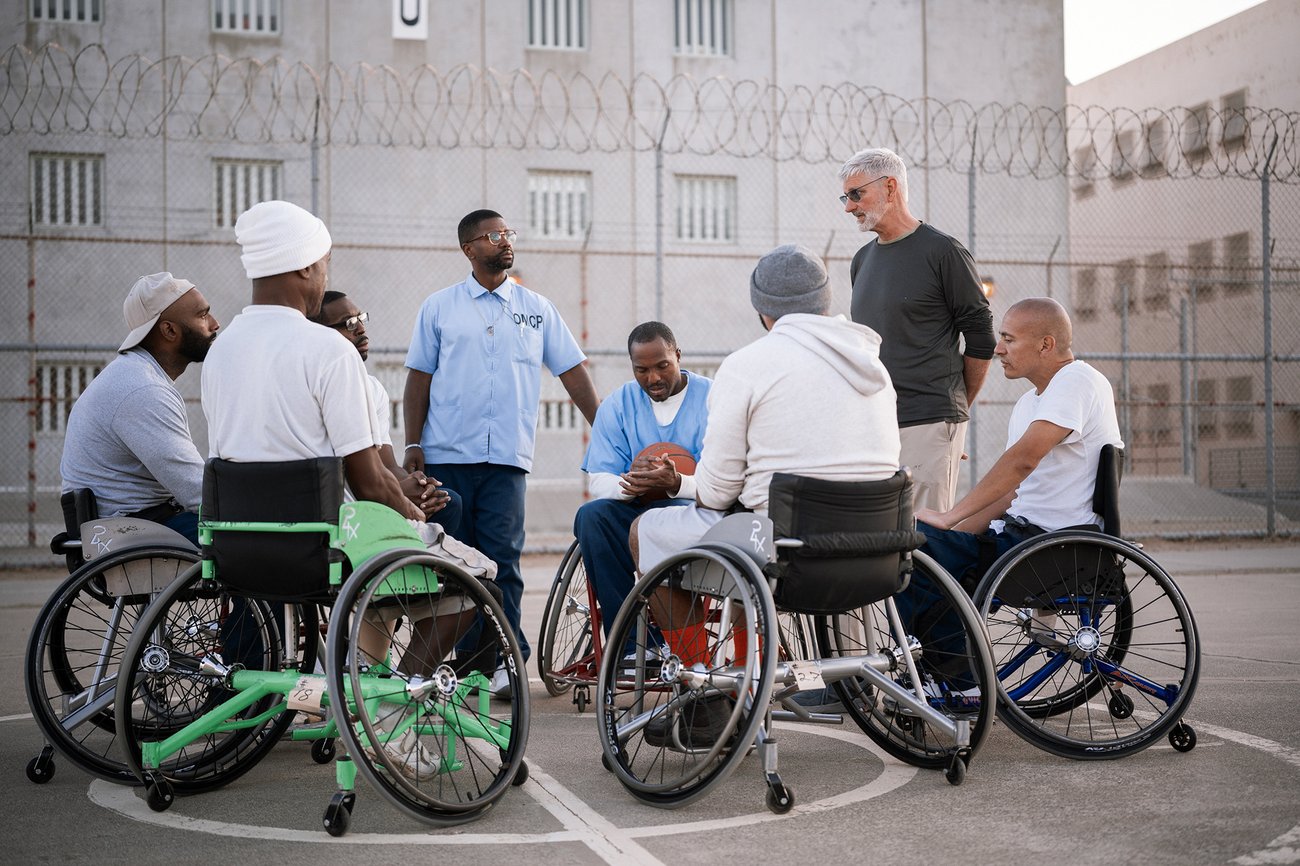 |
Photograph by Brian L. Frank for CatchLight/The Marshall Project |
|
Coaches say having able-bodied and disabled men play together creates a community that doesn’t exist anywhere else in the prison. It also teaches able-bodied players about disability, changing how they see the men in chairs. |
|
|
 |
Photograph by Brian L. Frank for CatchLight/The Marshall Project |
|
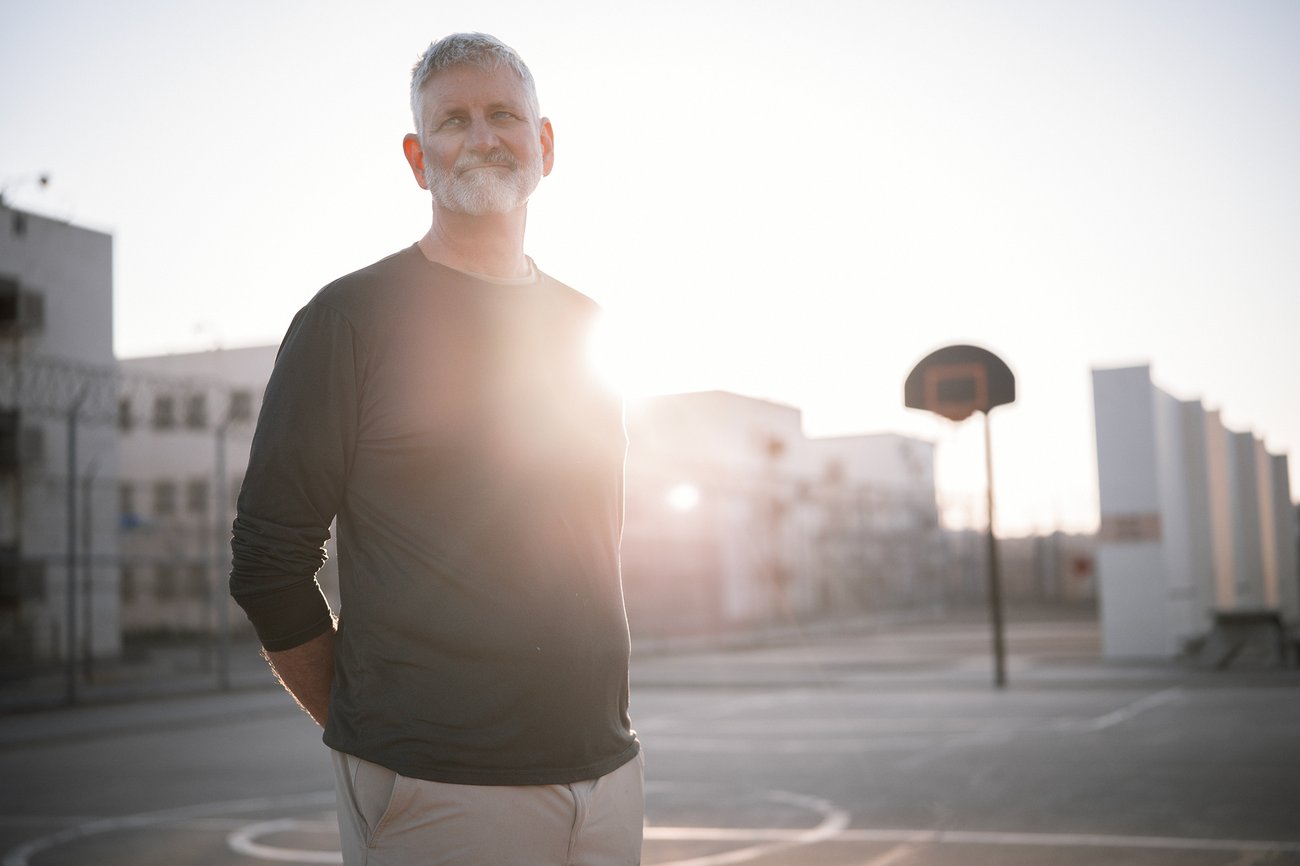
Coach Jeremiah Holland has spearheaded a character-first approach to sports at California Medical Facility. Team members are selected based on their willingness to be a positive and supportive teammate, instead of solely on athletic ability. |
|
|
 |
Photograph by Brian L. Frank for CatchLight/The Marshall Project |
|
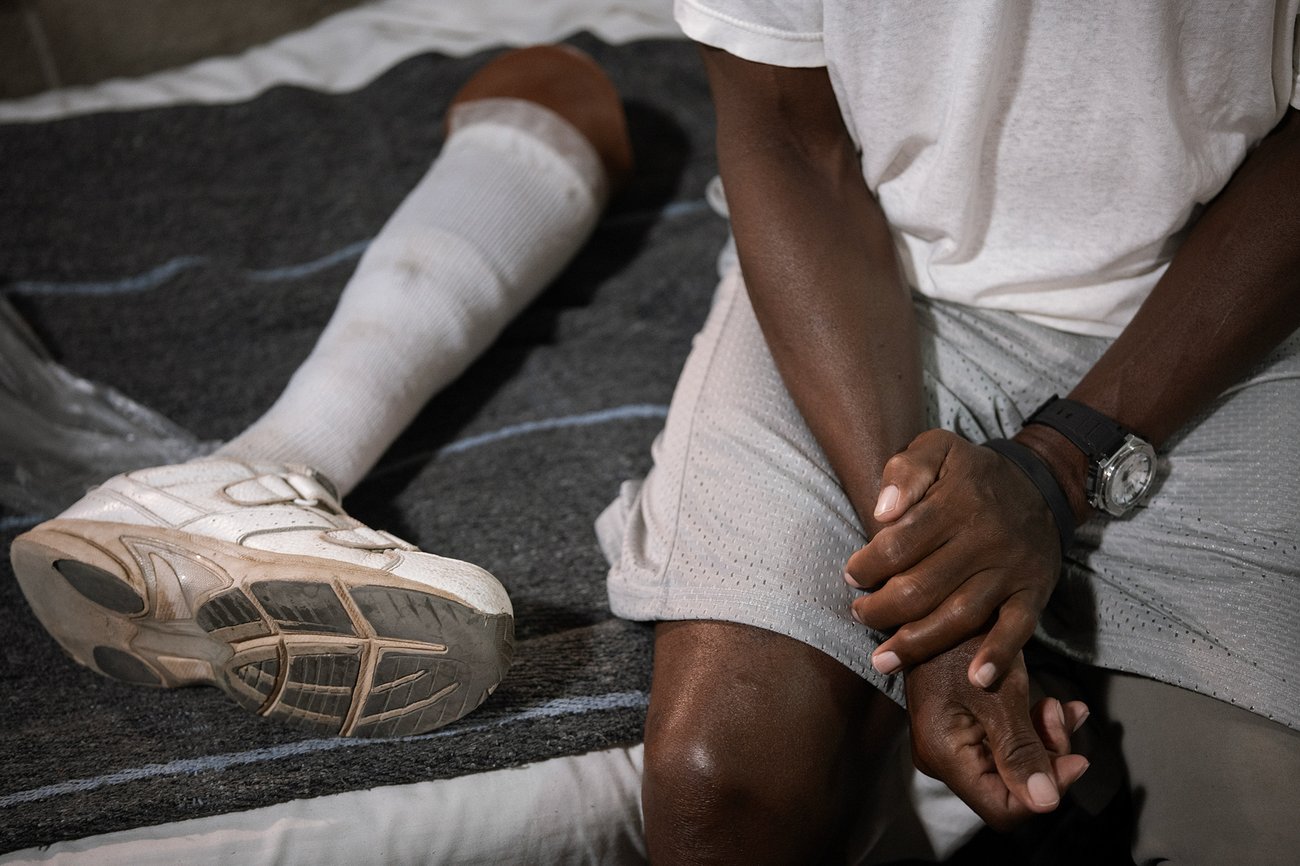
Basketball had always been a part of his life, but he had to learn the sport again through a different body. |
|
|
 |
Photograph by Brian L. Frank for CatchLight/The Marshall Project |
|
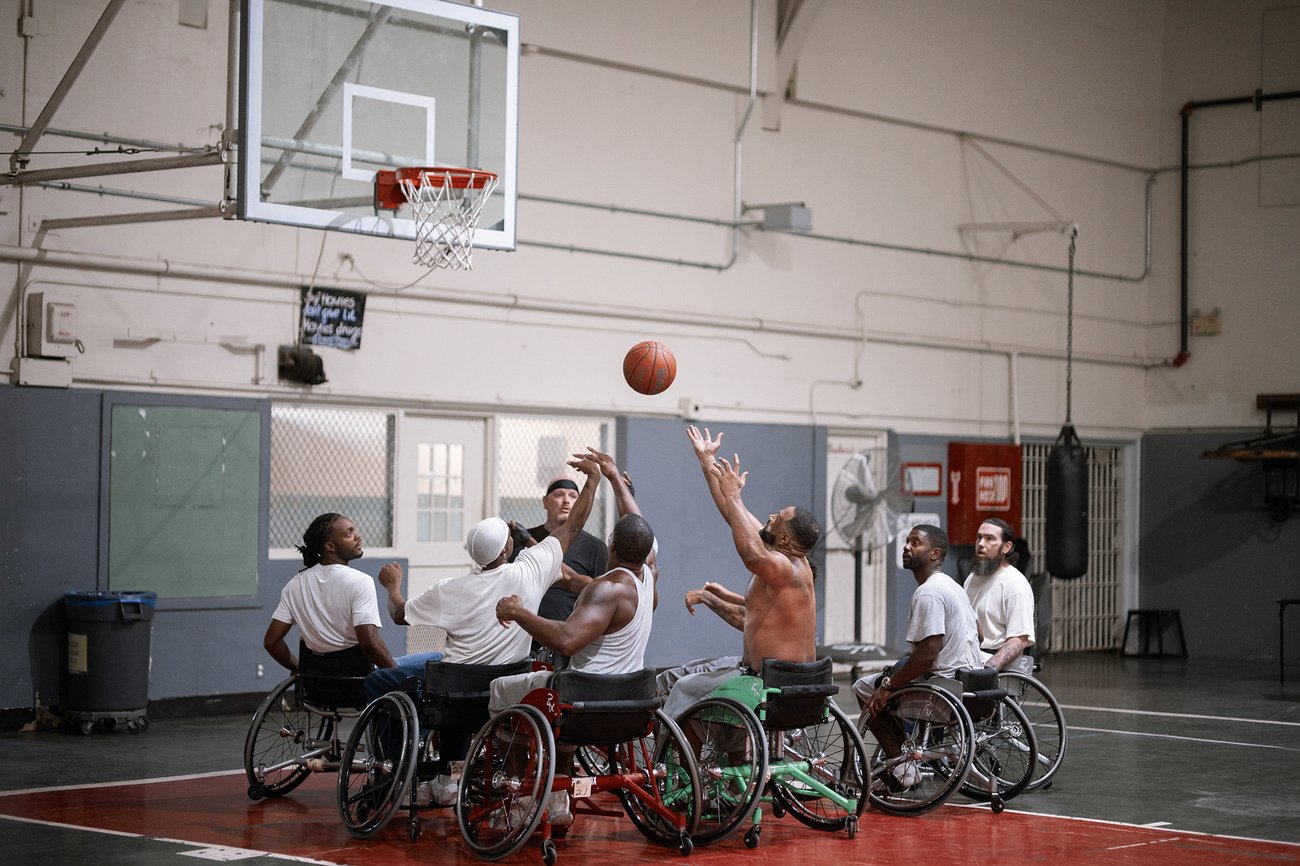
The players reach upward for the basketball during a scrimmage practice. |
|
|
 |
Photograph by Brian L. Frank for CatchLight/The Marshall Project |
|
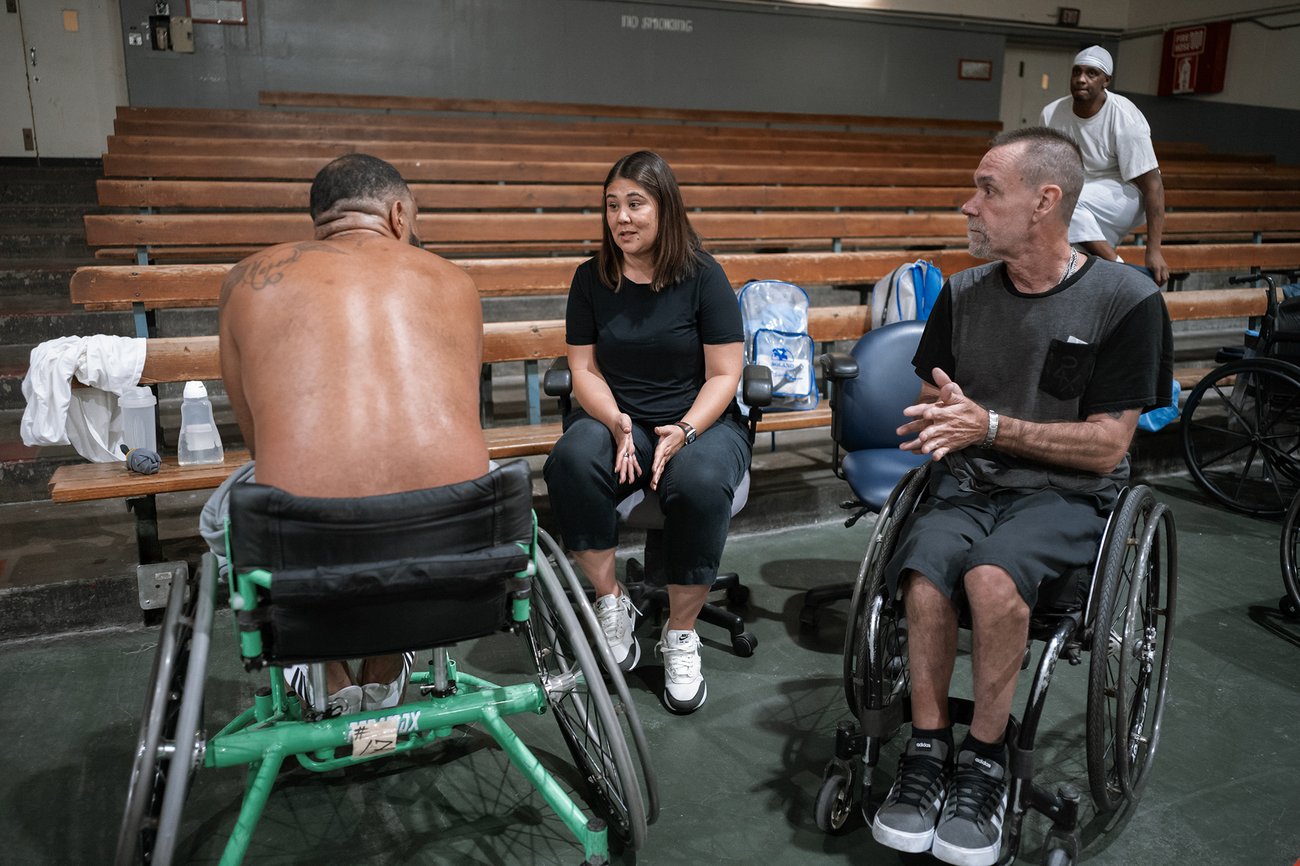
Coach Mieko Chambers counsels players during a practice at the prison gymnasium.
|
|
|
 |
Photograph by Brian L. Frank for CatchLight/The Marshall Project |
|
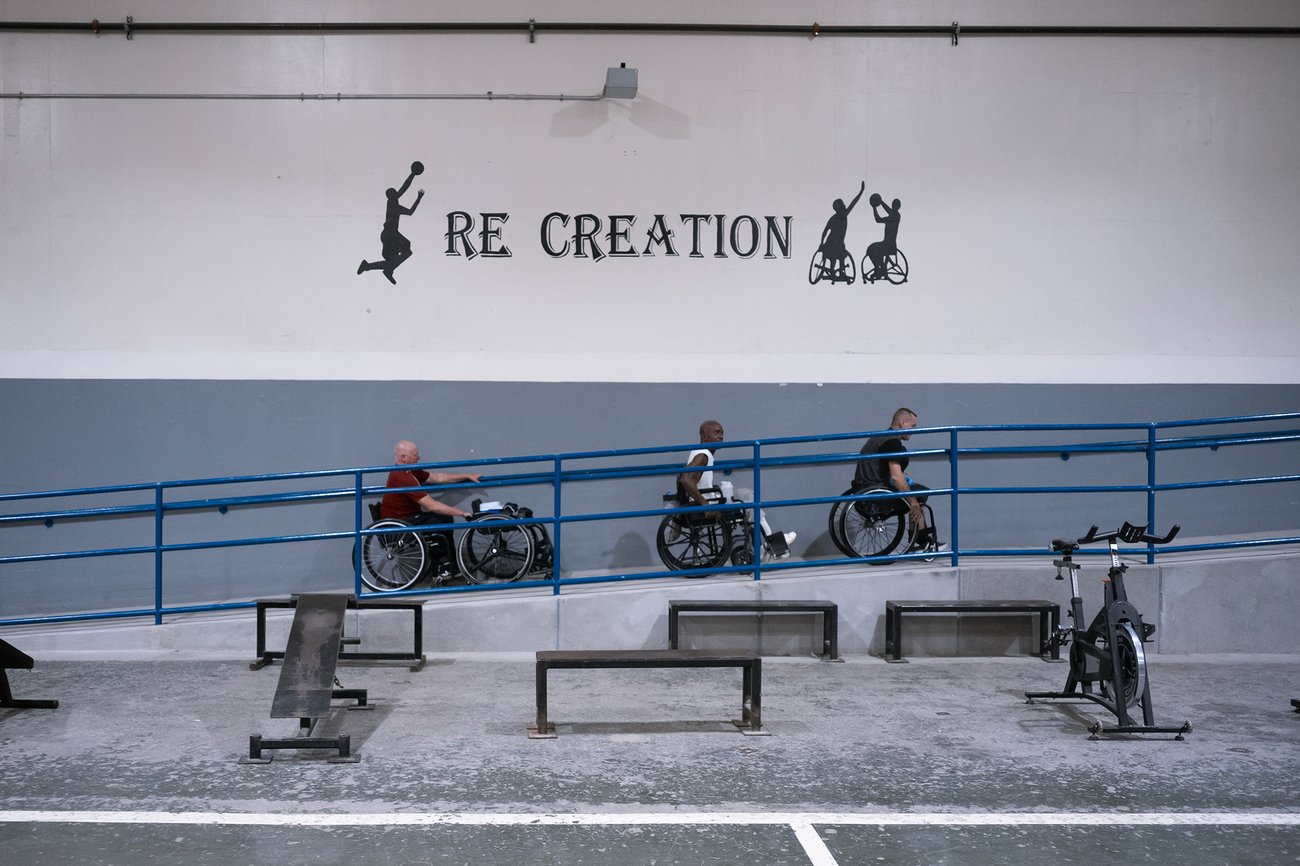
The program’s core philosophy is painted on the wall of the prison gym. Physical recreation is paired with the idea of re-creation of character.
|
|
|
 |
Photograph by Brian L. Frank for CatchLight/The Marshall Project |
|
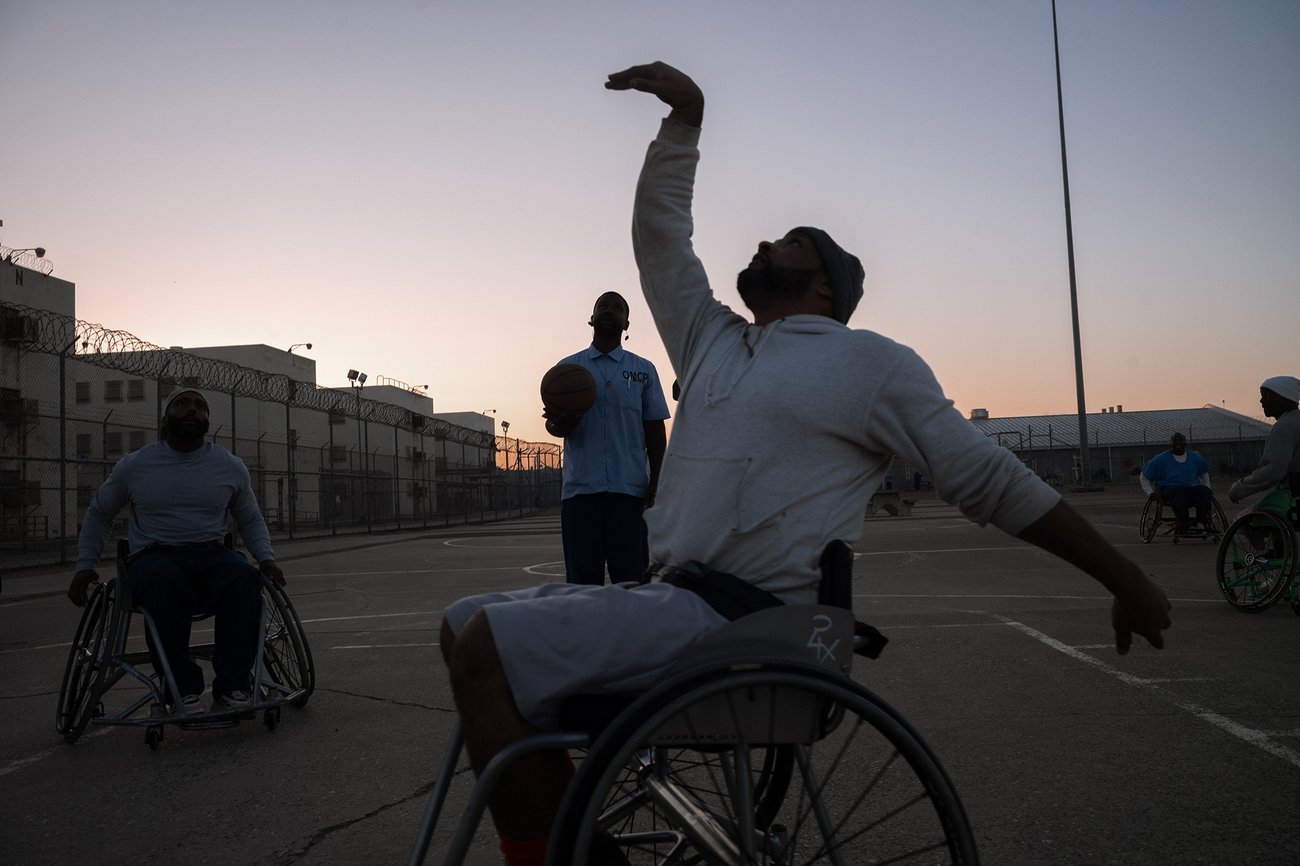
The wheelchair basketball program at California Medical Facility in Vacaville gives incarcerated people with mobility impairments a chance to play a team sport — to compete, work and play with able-bodied people, stay active, and be part of something outside the normal routine of prison life. Members of the team practice in the early morning on the general population yard.
|
|
|


