|
Assemblymember Natasha Johnson (R-Lake Elsinore) doesn’t think that property owners should have to file a notarized letter every year to authorize police intervention on their property during their absence.
On March 17, the Assembly Standing Committee on Public Safety agreed, advancing her bill unanimously.
Assembly Bill 1632 would remove the requirement for property owners to send notarized letters authoring police officers’ intervention on their property under Penal Code Section 602. A simple letter would do. That small change is expected to save properties from fire, and free up the Riverside police budget.
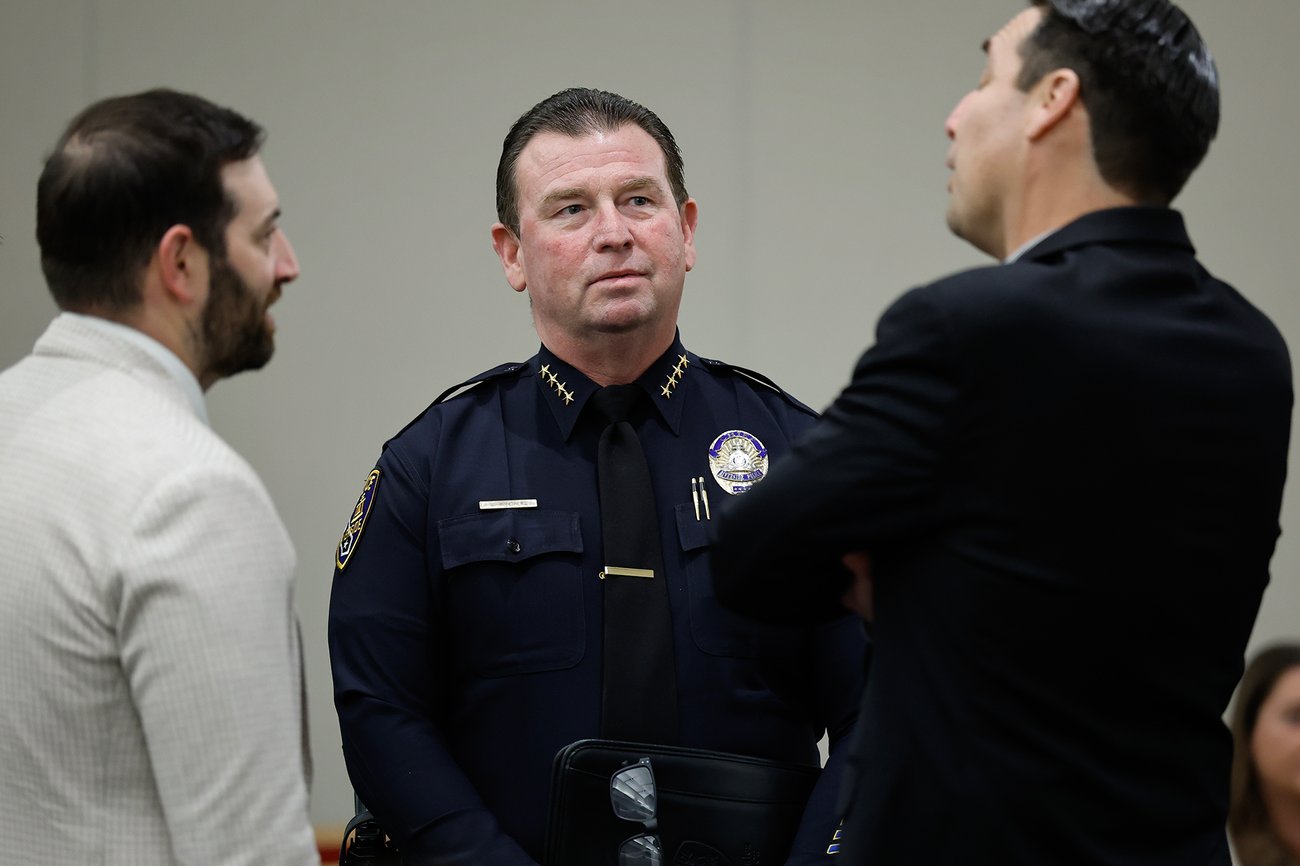
“Across California, police departments receive daily calls from property owners frustrated with repeated trespassing that often results in trash, bodily waste, drug paraphernalia scattered across the property, and other damage to facilities. Just last year, the Assemblymember said in 2025, our police department received more than 4,300 calls for service related to trespassing,” Riverside Chief of Police Larry Gonzalez told the committee.
Johnson said the change would prevent property damage and fires.
“In the City of Riverside and the county across the state, unauthorized occupation of vacant lots, buildings is a leading cause of structure fires and wildfires. By making it easier to maintain an active 602 letter, we allow officers to intervene proactively before a trespass incident turns into a public safety hazard,” Johnson said.
Johnson said the Riverside Police Department spent $37,800 in training staff to process the letters.
“Our department has been assisting with the notary equipment of many of these letters, which cost the department approximately $38,000 in staff time where we're trying to set up workshops at our stations throughout the city to have property or business owners come in and get that done,” said Larry Gonzalez, Riverside Chief of Police.
Aaron Petroff, an advocate for the Inland Empire’s homeless population, spoke in favor of the bill on behalf of the Social Work Action Group.
“This bill, it's not about criminalizing individuals. It's about providing that intervention to reach somebody in that addictive lifestyle. We're constantly chasing people down to reach them. You know, they're hiding in the shadows because of what they're doing. And when we come across multiple properties or properties where there is no 602 for trespassing, That's a place that's a refuge that an addict will take and hide and makes us unable to reach them and provide that support,” Petroff said.
Housing California representative Purva Bhattacharjee spoke against the bill, saying it would worsen the state’s homelessness crisis.
“A recent report from the ACLU has showed that trespass violations are sometimes used by cities to target people experiencing homelessness, giving them nowhere to legally rest within a city, and remove them from the city altogether, rather than coordinating with the state and county partners needed in order to give people the services and housing that they need,” Bhattacharjee said.
Leslie Wolf of the Public Defender’s Union, said the bill would increase the number of citations given to homeless people, which can turn into a warrant for their arrest if they can’t make it to court.
“On multiple occasions, I have seen circumstances where our clients gain housing, are stabilized, but due to old warrants, usually trespass warrants, they are then pulled back into the criminal justice system and they then lose that housing,” Wolf said.
To pass through the committee, Johnson removed the second part of the bill, which would have extended the time a single letter can approve police intervention from one year to three. |