Share
They lost their home over the holidays
Maria Vela's family was forced to vacate their home by Christmas through no fault of their own. So-called "just cause" evictions are displacing families like hers.
Inequality Insights
A weekly dose of informed analysis, commentary and news items on the persistent issues of poverty and inequality in California

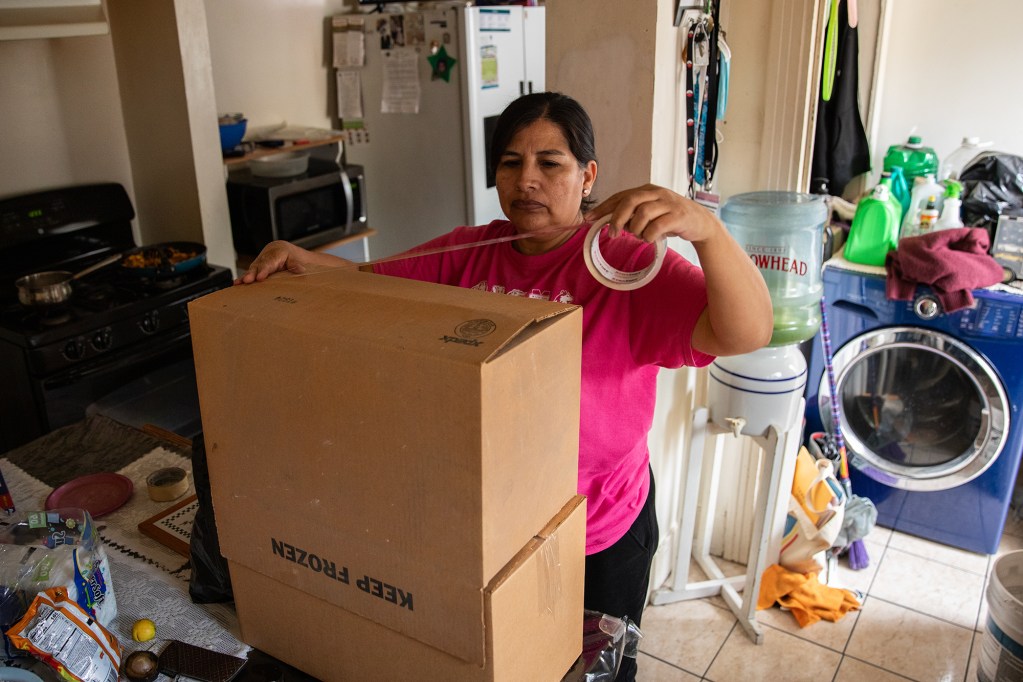
María Vela assembles boxes before moving from her East Los Angeles home of nearly 30 years. Photo by Adriana Heldiz, CalMatters

Dear California Reader,

Good morning and Happy New Year, Inequality Insights readers. I’m CalMatters reporter Alejandra Reyes-Velarde.

Just before the holidays, I wrote a story about an East L.A. family who were evicted from their home of nearly 30 years because their landlords wanted to move in. The family fought the eviction for more than a year before they were served an official 60-day notice to vacate by Christmas. 

Throughout December Maria Vela, a mother of four children, struggled to find housing near her former home. This was the first time in 20 years she’s had to look, and with her limited English and tech difficulties, it was hard for her to apply to open rental listings.

Did someone forward this email to you?   Inequality Insights is a free weekly must-read newsletter helping Californians stay in-the-know on inequality issues. Sign up →

As it dawned on Vela that her family would leave their beloved home, she said, “It feels like someone is taking a part of my story.” 

It’s not Vela’s family’s fault; they weren’t behind on their rent. Their landlords were using “just cause” or “no fault” provisions in state rental laws that allow landlords to oust tenants if an owner wants to move into a unit, renovate it or just stop renting it.

Tenant advocates have been fighting for stronger protections in “just cause” evictions because some landlords take advantage of these laws and evict tenants so they can later increase rents and make a profit. 

Though that’s not always the case, and it may not be in this case, the effect is the same: a lack of affordable housing means families like this one are displaced.

“It’s a very complicated and nuanced story and doesn’t lend itself to easy culprits and easy answers,” said Stuart Gabriel, real estate professor at UCLA’s Anderson School of Management. 

Vela and her family did end up finding an apartment in El Monte. It’s smaller than their East L.A. home and charges nearly double the $1,000 rent they had been paying. 

Their former landlords paid them about $12,600 in relocation assistance, which will cover some moving expenses and rent. But Vela doesn’t think they’ll be able to afford their new home for even a year, not on just her husband’s meatpacking earnings. 

Rather than immediately move into the apartment, Vela said, her family spent the holiday in San Bernardino with her sister because gas had not been set up yet in their new home. They’re starting the new year unpacking. 

“We’re doing well, but we’re still trying to get organized so we’re not so cramped,” in the new apartment, she said. 

The family has a GoFundMe page to help cover moving and rent expenses. 

DON'T MISS

Some stories may require a subscription to read.

  • Medical debt protection. A new California law will help protect families who have out-of-network ambulance bills from falling into debt, CalMatters reporter Kristen Hwang writes. The law, which took effect Jan. 1, will require patients to pay just the equivalent of what they would have paid for in-network ambulance service. 
  • Skyrocketing utility bills. PG&E customers are paying more for their gas and electricity at the start of the new year, the Mercury News reports. With the new rates, expected monthly bills will be nearly $300 for a typical residential customer. That’s 22% higher than the average monthly charges that went into effect a year ago.
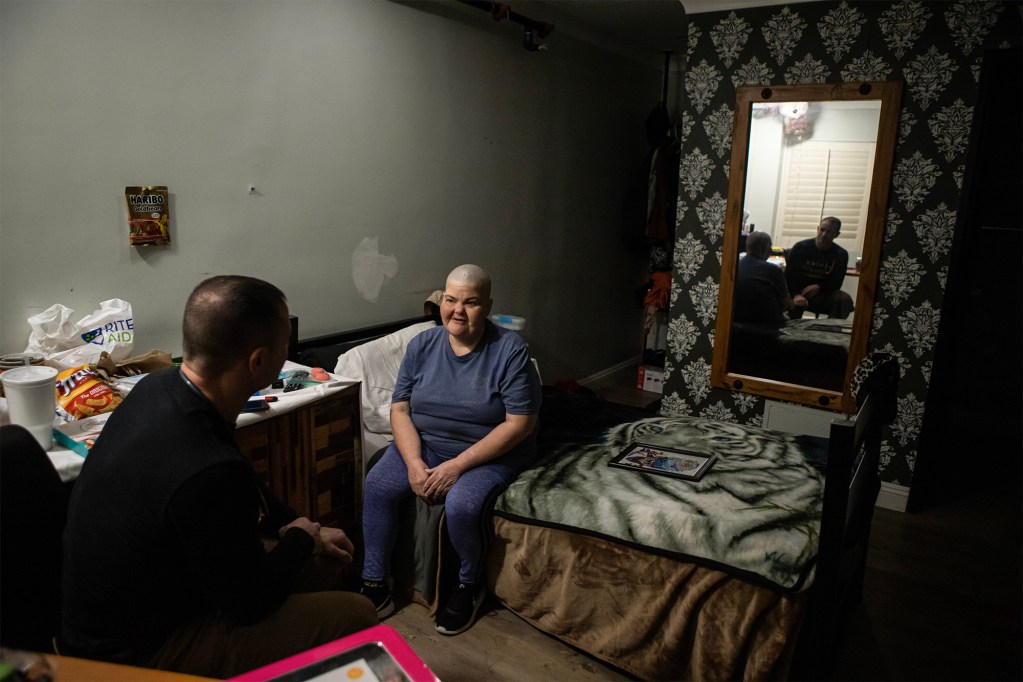
Physician assistant Brett Feldman and Carla Bolen chat in her room at a motel turned into housing in Los Angeles, part of the state's Homekey program. Photo by Larry Valenzuela, CalMatters
  • Homeless housing probe. A developer that accepted millions of dollars from California’s Project Homekey to house the homeless is under investigation by the state for failing to comply with contractual obligations, CalMatters’ Jeanne Kuang reports. The Sun in San Bernardino said the developer, Shangri-La Industries, was criticized for “lack of communication on the status of its projects, failure to meet performance milestones and failure to record affordability covenants to ensure properties remain as affordable housing.” The stories also said Shangri-La was accused of not paying some contractors.
  • Migrant center reprieve. A San Diego-area migrant services nonprofit trying to help thousands of asylum seekers border authorities were dropping off had said it was running out of money last month. But it, SBCS, recently signed a new $3 million contract with San Diego County, so it will continue running its migrant services center, the San Diego Union Tribune Reports. The new funds are expected to last until March. It’s unclear what the county will do to address increases in asylum seekers after that. 
  • Diapers in high demand. Diaper prices have increased 22% since 2018 and most existing government programs don’t cover them, the Los Angeles Times reports. The average cost of diapers for one infant is $75 and low income families report that they can’t afford enough diapers to keep their children clean.

Advertisement

  • Not enough doulas. Medicaid started offering Doula services in 2023, but a year later, mother’s aren’t receiving the doula care they need, LAist reports. That’s because there’s a lack of doula’s enrolled in the program: just 180 as of mid November. Just a small percentage of Medicaid recipients have been able to access doula services, with just 50 receiving the services as of July.
  • Inmates denied sunlight. A court ruling decided that San Francisco violates inmates’ rights by keeping them indoors at its San Bruno jail. The court ordered the prison to allow inmates at least 15 minutes of access to sunlight. But officials are still not letting inmates outdoors, the San Francisco Chronicle reports. Instead, they just uncovered some of the windows at the jail’s gym.

Thanks for following our work on the California Divide team; you’ll hear from us again next week. While you’re here, please tell us what kinds of stories you'd love to read.

Email inequalityinsights@calmatters.org or just hit reply to this email. 

The California Divide Team

California Divide is a statewide media collaboration to raise awareness and engagement about poverty and income inequality through in-depth, local storytelling and community outreach. The project is based at CalMatters in Sacramento with a team of reporters deployed at news organizations throughout California.

Email Marketing by ActiveCampaign