|
Good morning, Inequality Insights readers. I’m CalMatters reporter Wendy Fry.
|
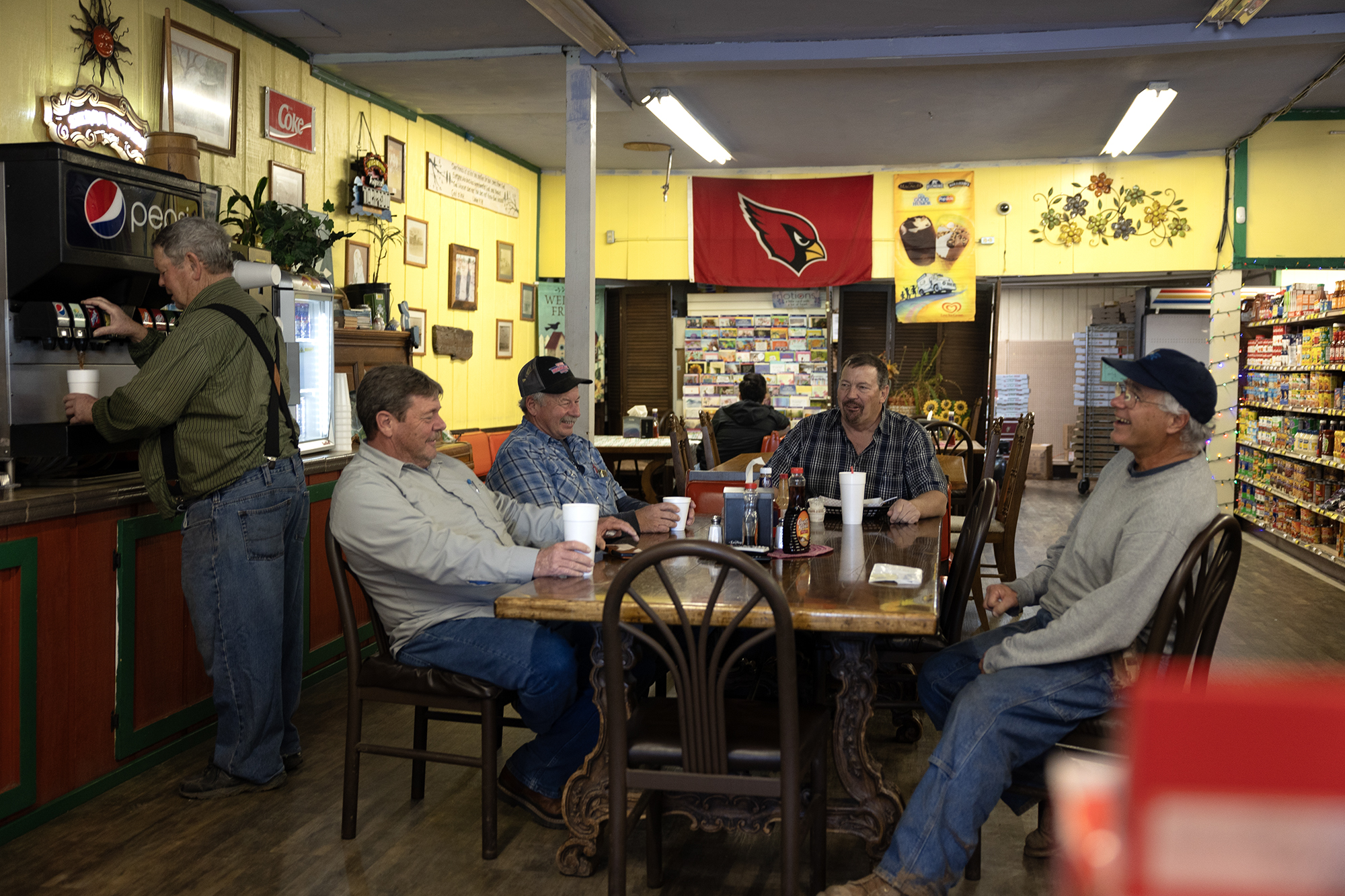
Owners of a grocery store in small town Bieber, California, say they may close the store because of recent rate hikes by Pacific Gas & Electric (PG&E), the state's largest utility.
|
Big Valley Market serves as the main source for food for miles, as well as a social hub for the town of about 200 people and the surrounding hamlets in Northern California. Yet it is struggling to keep its lights on. Last year the owners, Tammy and Tim Babcock, paid nearly $40,000 for electricity.
|
Thanks to the rate hikes, they expect to pay even more in 2024, California Divide reporter Justo Robles writes.
|
“I called PG&E, and I said ‘Are you trying to put us out of business? Are you trying to kill small town America?’” owner Tammy Babcock, 62, told Robles.
|
|
|
Did someone forward this email to you? Inequality Insights is a free weekly must-read newsletter helping Californians stay in-the-know on inequality issues. Sign up →
|
|
|
|
|
The rate hikes, approved by the California Public Utilities Commission (CPUC) in November, affect tens of thousands of residential and business customers. PG&E said the increases are necessary to fund investments in wildfire risk reduction, safety and reliability, and clean energy goals.
|
But for small businesses and low-income customers, the higher bills add to financial burdens and threaten survival. Many residents rely on electric appliances for heating, cooling, and medical needs.
|
The CPUC said it struggled with the decision, trying to balance the interests of all stakeholders. It also reduced PG&E's initial request by 5%.
|
Now PG&E is seeking another rate increase for this year to reimburse the utility for wildfire safety work it had completed. The CPUC is scheduled to vote on that on March 7.
|
Some lawmakers and consumer groups oppose the rate hikes and are proposing bills or other reforms to lower electric costs. They argue PG&E shouldn’t automatically get more money, not without proper oversight and accountability. Some also oppose the utilities’ plan to base part of each electric bill on a customers’ income, saying such fixed charges would harm the middle class and remove incentives to conserve energy.
|
Meanwhile, the Babcocks in Bieber are trying to keep their business and community alive. They said they don't want to move to the city; they also don't want to see rural America die.
|
|