Should flood aid pay for infrastructure or relieve residents' debt?
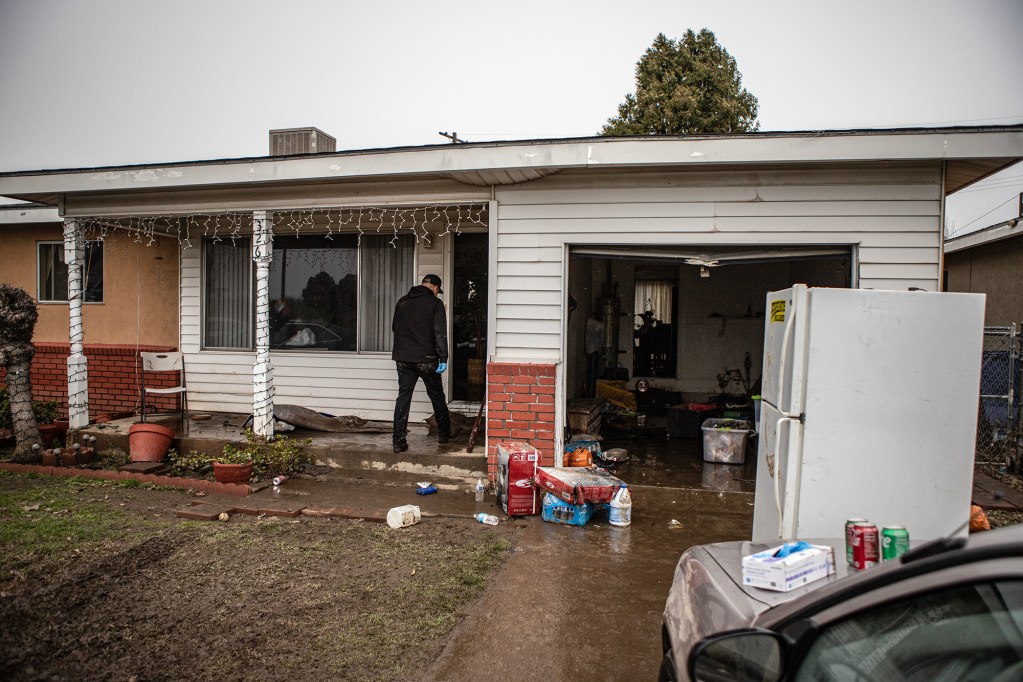
After winter and spring storms flooded communities in the Central Coast and Central Valley, officials and some residents are at odds about how flood aid should be spent.
Merced and Monterey counties got $20 million each from the state in October. Officials want to spend at least some of the funds on infrastructure, but residents in Planada think the money should be saved for them.
Did someone forward this email to you? Inequality Insights is a free weekly must-read newsletter helping Californians stay in-the-know on inequality issues. Sign up →
After all, lawmakers used their personal economic loss due to flooding as the basis for the budget request.
Many residents in affected towns are undocumented or work low-wage jobs in agriculture, and they lost a lot of money due to property damage or lost work from weeks of relentless rain. One study from UC Merced’s Community and Labor Center estimates that 83% of Planada households experienced some economic loss from flooding.
County officials say they’ll be using most of the money for direct aid, but residents still aren’t convinced.
DON'T MISS
Some stories may require a subscription to read.
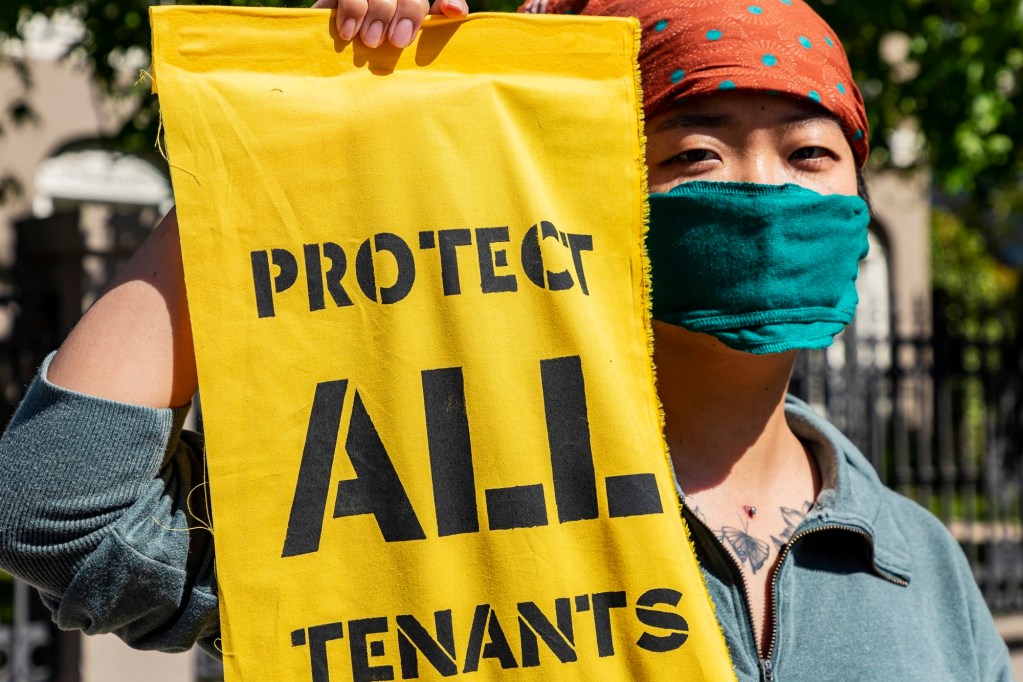
Evictions rise. CalMatters obtained more than a year of data from courts in 19 of the state’s most populous counties showing the number of eviction cases filed each month through August 2023. Reporter Jeanne Kuang combed through the data and found that evictions have soared, in some cases beyond pre-pandemic levels, which shows renters remain at risk of losing their homes after eviction protections expired.
Tenant advocate evicts renters? A Los Angeles Times investigation found tenants living in housing owned by the AIDS Healthcare Foundation — a group that often speaks against evictions and is known to be a tenants’ rights advocate — are living in squalid conditions and under threat of eviction.
Advocates in Los Angeles want the city and county to extend a freeze on rent increases. Photo by Ted Soqui, SIPA USA for AP Images
Free phone calls for inmates. The L.A. County Board of Supervisors approved a plan that provides $32 million over a 29-month period for free phone calls in county jails. Anti-recidivism advocates are praising the move, which will relieve a burden for families of incarcerated people.
Native land returned. After years of disputes, a piece of land in Orange County, the Bolsa Chica Mesa, is back under stewardship of Indigenous peoples. It’s an historic moment for the county, the Orange County Register reports, because it’s the first land return to tribal communities in the area.
Advertisement
Disputes over migrant aid. The $3 million approved by the San Diego County Board of Supervisors has offered much needed relief to nonprofit groups who have been overwhelmed by major increases in asylum seekers released in the region. But some advocates are saying that the money, given to one lead nonprofit, is not being spent wisely, KPBS reports.
Recovering after Hilary. Residents in
Cathedral City’s Horizon Road are slowly picking up the pieces after tropical storm Hilary ravaged the Riverside County area, the Desert Sun reports. Meanwhile Gov. Gaivn Newsom and the White House announced approval for the request of additional FEMA funding.
Thanks for following our work on the California Divide team. While you’re here, please tell us why you signed up for the Divide newsletter and what kinds of stories you'd love to read.
Thanks for reading, and you’ll hear from us again next week, The California Divide Team
California Divide is a statewide media collaboration to raise awareness and engagement about poverty and income inequality through in-depth, local storytelling and community outreach. The project is based at CalMatters in Sacramento with a team of reporters deployed at news organizations throughout California.