Share
A national monument bid,‌ breastmilk and warehouse debates
 ‌ ‌ ‌ ‌ ‌ ‌ ‌ ‌ ‌ ‌ ‌ ‌ ‌ ‌ ‌ ‌ ‌ ‌ ‌ ‌ ‌ ‌ ‌ ‌ ‌ ‌ ‌ ‌ ‌ ‌ ‌ ‌ ‌ ‌ ‌ ‌ ‌ ‌ ‌ ‌ ‌ ‌ ‌ ‌ ‌ ‌ ‌ ‌ ‌ ‌ ‌ ‌ ‌ ‌ ‌ ‌ ‌ ‌ ‌ ‌ ‌ ‌ ‌ ‌ ‌ ‌ ‌ ‌ ‌ ‌ ‌ ‌ ‌ ‌ ‌ ‌ ‌ ‌ ‌ ‌ ‌ ‌ ‌ ‌ ‌ ‌ ‌ ‌ ‌ ‌ ‌ ‌ ‌ ‌ ‌ ‌ ‌ ‌ ‌ ‌ ‌ ‌ ‌ ‌ ‌ ‌ ‌ ‌ ‌ ‌ ‌ ‌ ‌ ‌ ‌ ‌ ‌ ‌ ‌ ‌ ‌ ‌ ‌ ‌ ‌ ‌

January 09, 2026   |   Donate

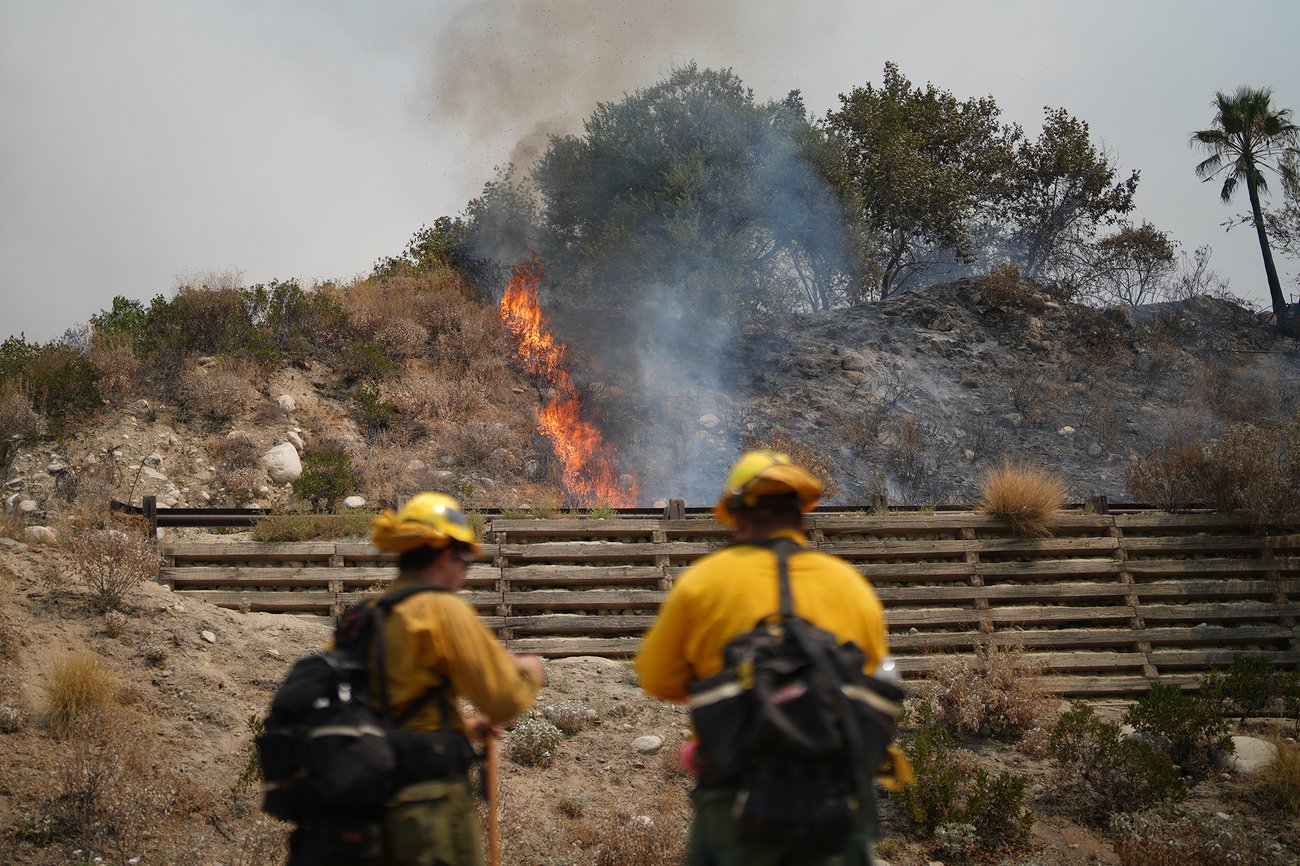
Fire crews monitor the Line Fire on Sept. 7, 2024 in Highland. Photo by Eric Thayer, AP Photo

Dear CalMatters reader,


A trio of wildfires have torched 100,000 acres in the Inland Empire and surrounding counties, forcing evacuations from fire threats and smoke,  and prompting Gov. Gavin Newsom and county supervisors to declare a state of emergency to marshall firefighting resources to the area.


The fires highlight another, related crisis: the exodus of major insurance companies from California.


In June the San Bernardino County Board of Supervisors pulled the alarm on that problem, calling for the state to declare an emergency over the dwindling home insurance options for people in high-risk areas.


That includes lots of places in the Inland Empire’s deserts and mountains, where high heat and dry conditions make wildfire a constant danger. To add to that, the region’s varied terrain leaves it vulnerable to a host of other calamities, including earthquakes, floods and even blizzards.


So far the Line Fire has burned more than 34,600 acres, endangered 65,600 structures, forced evacuations in about a dozen communities and campgrounds, including Running Springs, Arrowbear Lake and Big Bear, and destroyed one home.

The Bridge fire exploded Tuesday night from 4,000 acres to nearly 50,000, moving from Los Angeles County into the Wrightwood Community in San Bernardino County, and the Airport Fire grew to more than 23,000 acres heading from eastern Orange County into Riverside County.

As of Wednesday night, no lives have been lost. 


That has not always been the case. In 2003 the Old Fire burned more than 90,000 acres in the San Bernardino Mountains, destroyed more than 1,000 homes and killed six people. Other monstrous fires throughout the state also have wreaked havoc on the home insurance market.


Earlier this year insurance giant State Farm announced it would not renew 72,000 policies throughout the state. Last year both State Farm and Allstate stopped writing new policies in California. 


That makes insurance hard to come by in many parts of the state that need it most, including the mountain and desert communities of the Inland Empire.


The Line Fire underscores the need to make insurance models reliable for customers and sustainable for insurers, said San Bernardino County Supervisor Dawn Rowe.


Did someone forward you this email?  Sign up here.

“From the homeowners' perspective, this is all the more reason why they have to have insurance, and why insurance exists to protect them from a loss,” Rowe said before touring the evacuation zone. “From the insurance companies’ perspective, they might say this (fire) is what we’re talking about, this is a probability, not just a possibility."


Homeowners who can’t get commercial insurance can apply for coverage under the California FAIR plan, the state’s high-risk pool. But that’s more expensive, and they’ll have to buy pricey wraparound policies to cover routine claims such as theft, liability or water damage. Also the plan was intended to be a last resort, not the policy of choice for hundreds of thousands of customers.


Insurance Commissioner Ricardo Lara took steps to make California regulations more friendly for insurers. Cal Matters reporter Levi Sumagaysay explained how the new rules would work.


The first reform will streamline rate reviews. The other regulation lets insurers use catastrophe modeling — which factors in historic claims as well as projected losses — to set rates.


The reforms won’t take effect for a while. Rowe said supervisors are pushing for additional safeguards to provide homeowners with advance notice of policy cancellations and a means to appeal them.


Other stories you should know

California tribal leaders are encouraging creation of the Chuckawalla National Monument 

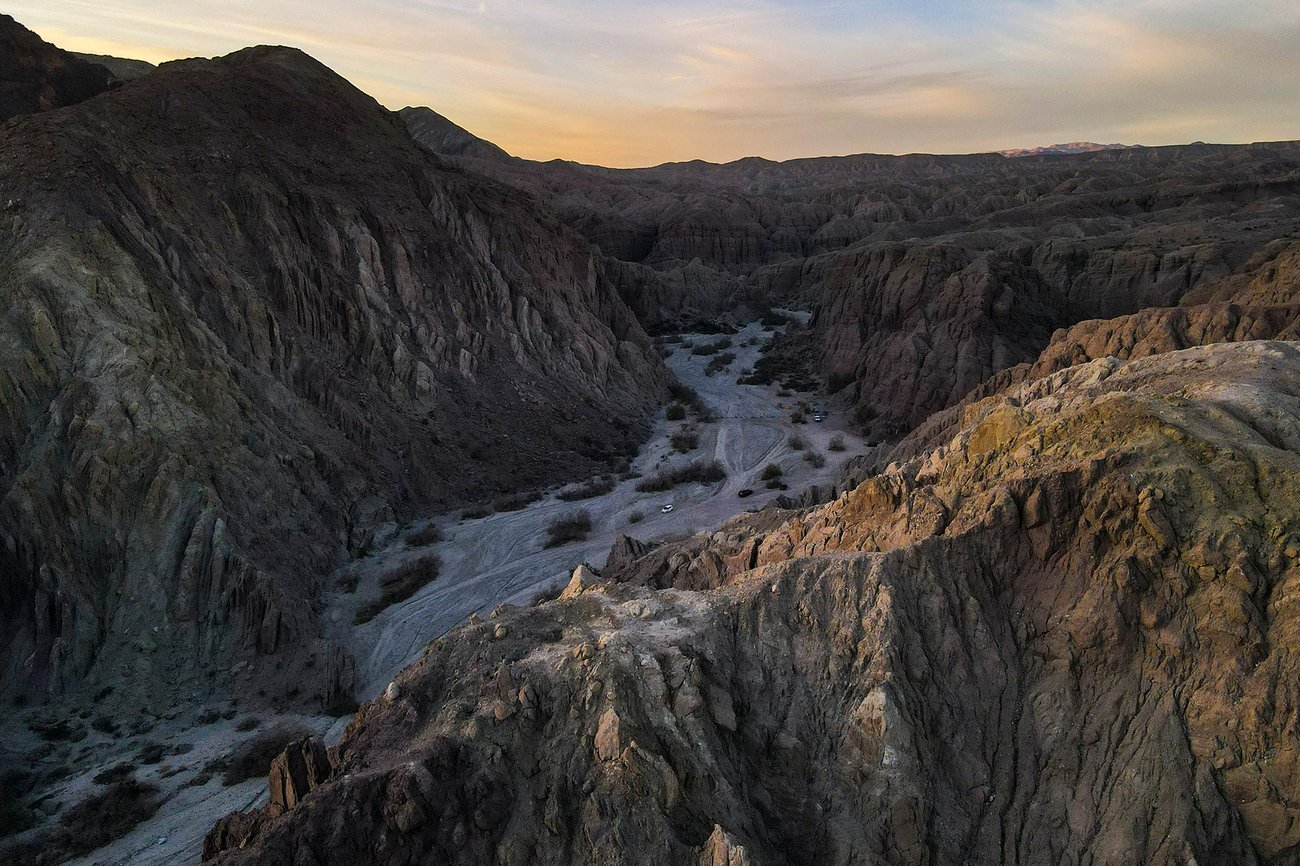
The end of Painted Canyon Road in the Mecca area of Riverside County on Dec. 28, 2022. Environmental groups propose making the entire area a national monument. Photo by Andy Abeyta, The Desert Sun

Six California tribes called on President Joe Biden to move forward with the national monument designation on 627,000 acres of public land in Riverside and Imperial Counties near Joshua Tree, saying the land contains thousands of important cultural places and objects. In an op-ed Blythe Mayor Joseph DeConinck said restricting use of the land would disrupt the hunting and mining now permitted on it, hurting the economies of surrounding communities.

Advertisement

Business and city leaders urge veto of warehouse bill

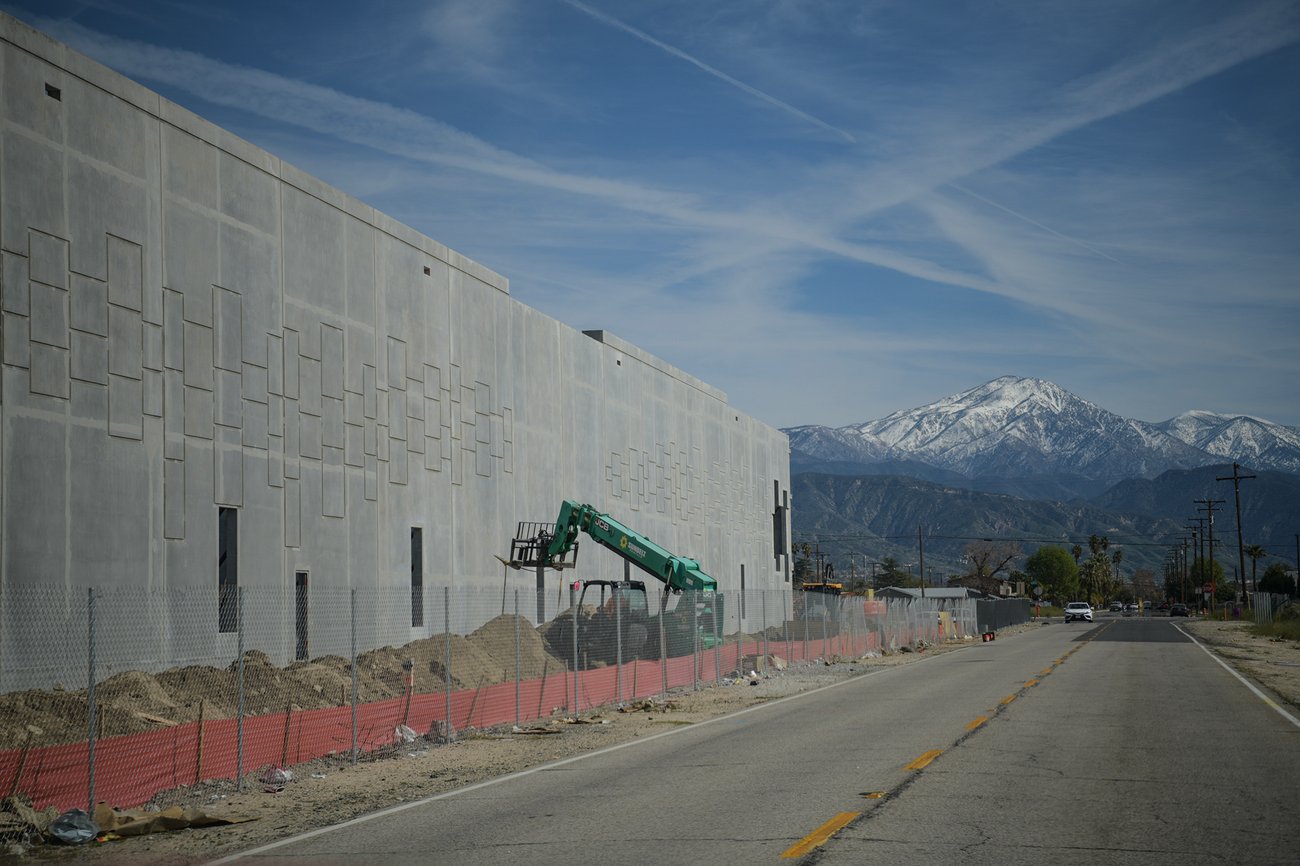
This warehouse was being built for Amazon less than two miles away from another Amazon warehouse in San Bernardino on Feb. 16, 2023. Photo by Pablo Unzueta for CalMatters


The League of California Cities Wednesday joined Inland Empire mayors and business leaders in an effort to kill a bill to restrict warehouse locations and truck routes, sitting on Gov. Gavin Newsom’s desk. “AB 98 unduly removes local control” and “imposes costly, unfunded mandates on local government,” said Rancho Cucamonga Mayor L. Dennis Michael during a Zoom call about the bill, which passed during the final hours of the legislative session without the typical committee oversight and public hearings. “Mr. Governor, AB 98 was baked in a vacuum,” said Victorville Mayor Liz Becerra. Bill co-author Eloise Gómez Reyes has said the bill is a scaled back version of an earlier proposal and represents a first step toward improving environmental health in communities near warehouses. Also on Wednesday the US Environmental Protection Agency finalized a rule by South Coast Air Quality Management District that requires warehouses to earn points for reducing nitrogen oxides and particulate pollution, or pay a mitigation fee.


The milk of human kindness

Lab technician Welney Huang processes breast milk at the University of California Health Milk Bank in San Diego on May 13, 2022.  Photo by Gregory Bull, AP Photo

Plenty of people donate clothes or housewares to charities, but some nursing moms are also dropping off expressed breast milk at a new donation center in Riverside. The UCR Health Milk Depot accepts surplus milk from moms who have extra to help struggling babies get the nutrition they need. It was inspired by a group of UC Riverside medical students. And it’s one of just a handful of milk donation sites in the western United States, said Dr. Brenda Ross, an OB/GYN with UCR Health.

What topics would you like to know more about? Drop us an email at inlandempire@calmatters.org.

Thanks for reading, 

Deborah Sullivan Brennan

Inland Empire Reporter


Email Marketing by ActiveCampaign