Share
New study says it didn’t hurt the job market
 ‌ ‌ ‌ ‌ ‌ ‌ ‌ ‌ ‌ ‌ ‌ ‌ ‌ ‌ ‌ ‌ ‌ ‌ ‌ ‌ ‌ ‌ ‌ ‌ ‌ ‌ ‌ ‌ ‌ ‌ ‌ ‌ ‌ ‌ ‌ ‌ ‌ ‌ ‌ ‌ ‌ ‌ ‌ ‌ ‌ ‌ ‌ ‌ ‌ ‌ ‌ ‌ ‌ ‌ ‌ ‌ ‌ ‌ ‌ ‌ ‌ ‌ ‌ ‌ ‌ ‌ ‌ ‌ ‌ ‌ ‌ ‌ ‌ ‌ ‌ ‌ ‌ ‌ ‌ ‌ ‌ ‌ ‌ ‌ ‌ ‌ ‌ ‌ ‌ ‌ ‌ ‌ ‌ ‌ ‌ ‌ ‌ ‌ ‌ ‌ ‌ ‌ ‌ ‌ ‌ ‌ ‌ ‌ ‌ ‌ ‌ ‌ ‌ ‌ ‌ ‌ ‌ ‌ ‌ ‌ ‌ ‌ ‌ ‌ ‌ ‌

View in browser

Inequality Insights

A weekly dose of news and analysis on the persistent issues of poverty and inequality in California.

April 24, 2026  |  Support CalMatters

Presented by Dairy Cares

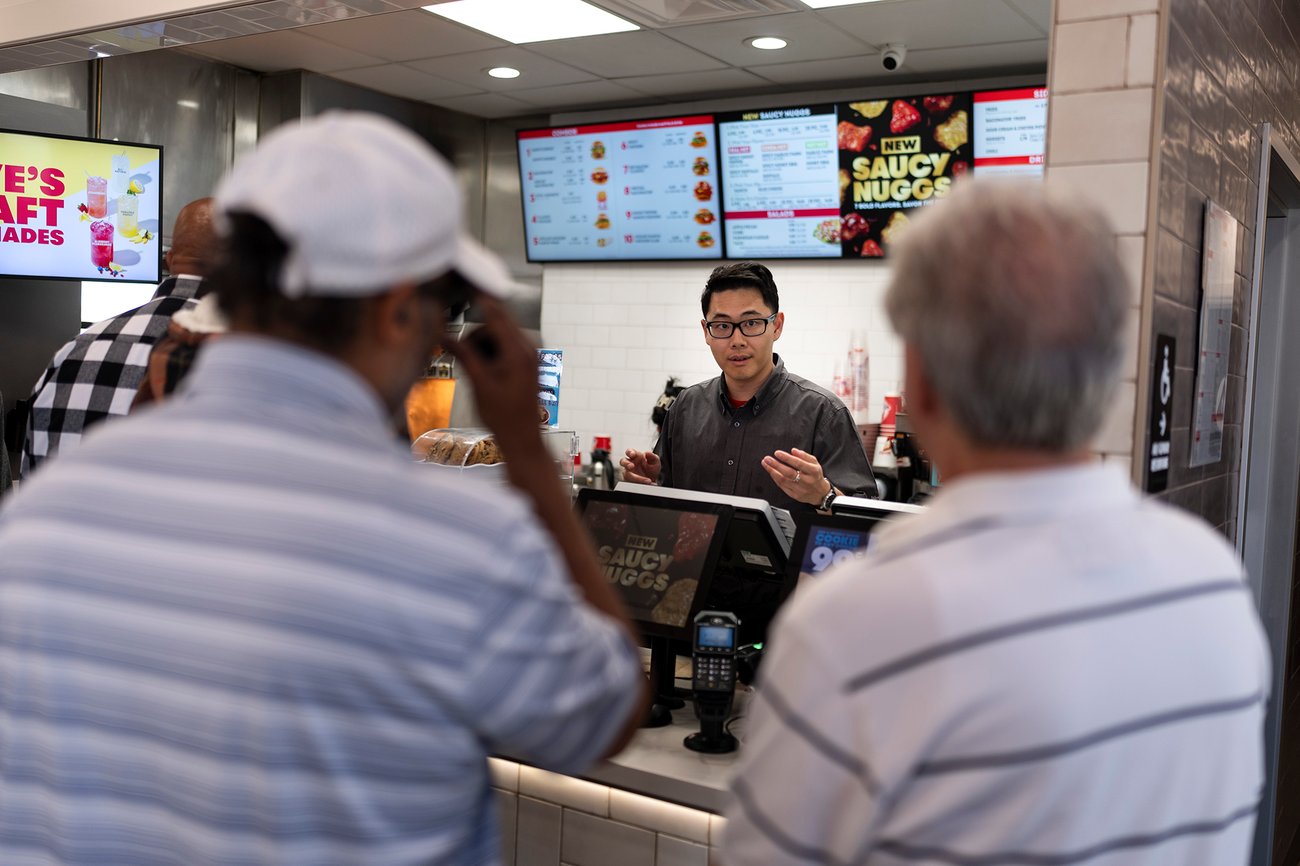
Lawrence Cheng, whose family owns seven Wendy's locations south of Los Angeles, takes orders from customers at his Wendy's restaurant in Fountain Valley on June 20, 2024. Photo by Jae C. Hong, AP Photo

Good morning, CalMatters reader.


Chants of ¡Si Se Pudo!”, or “yes, we could!”, rang out at the rally three years ago where Gov. Gavin Newsom signed a law raising the minimum wage for fast food workers to $20 an hour. 


The vibe was less enthusiastic among employers, who warned the wage hike would force businesses to increase prices and cut jobs and hurt the same low-income workers who needed the raise in the first place.


Earlier this month, researchers at UC Berkeley published a study that found those claims were exaggerated. The study– an analysis of pay data from online tools like Glassdoor and Square, and price data from more than 2,000 restaurants– found that the policy increased average weekly wages by 11% and didn’t reduce employment. Prices for consumers did increase, but only by an amount equivalent to just 6 cents for a $4 item.  


But a different study paints a less rosy picture. Researchers at UC Santa Cruz visited more than 100 restaurants in Santa Cruz and the Central Valley and found that  employees had fewer job opportunities, reduced hours, and less overtime pay.

SPRING MEMBER DRIVE: Gifts matched for just this week. Support Inequality Insights work today.

Give now

The researchers found one key change that is helping businesses make these changes: automation. According to researchers, fast food restaurants have increased the use of technology such as self-serve ordering kiosks, mobile apps and  artificial intelligence drive-through ordering systems to help them rely less on paid employees. 


But what do workers think?

After the wage increase, Mahek Sood, a 20-year-old Taco Bell employee, was able to move out on her own and pay her own bills for the first time. There are automated services at Taco Bell restaurants, but she doesn’t think they have impacted employment. It’s the increases in the overall cost of living that’s forcing her to pinch pennies more often these days. 


“I've noticed that the economy, things around us have been increasing,” Sood said. “Our grocery prices have been increasing, our gas prices have been increasing. I've had to just start nitpicking again and I've been thinking… I may have to pick up a second job.”


Don't Miss

Some stories may require a subscription to read.

  • Subsidizing in-state UC spots: California is spending big bucks to carve out extra spots for in-state students at top UCs. Is there a better way to do it? // CalMatters

  • Gig workers sue Uber: They say the company isn’t living up to the promises it made under the ballot initiative it supported to exempt itself from labor law. // CalMatters

  • Fatal foster care: Three children have died under the supervision of Santa Clara County since 2023. // The Mercury News

  • What’s in the dust? Dust in the San Joaquin Valley and Inland Empire can be a real health hazard. Researchers at UC Merced are trying to spread the word. // The Merced Focus

  • Raise the bar in preschool: While enrollment for public preschool programs grows in California, researchers say they lag behind other states when it comes to quality measures. // LAist

Advertisement

  • Immigrant rights at the hospital: Los Angeles County now has a policy that asserts the rights of detained patients and instructs county public hospital staff on how to handle the ICE agents who accompany them. // LA Local

  • Youth sports sticker shock: Yes, some families are really shelling out $1,000 to get their kids in football and baseball leagues. // Abridged

  • Who gets a lawyer? Public defenders across California wore all black on Thursday to call attention to what they said is a chronic underfunding of their service. // KQED

Thanks for following our work on the California Divide team. While you’re here, please tell us what kinds of stories you’d love to read. Email us at inequalityinsights@calmatters.org.

Alejandra Reyes-Velarde

CalMatters Reporter


Email Marketing by ActiveCampaign